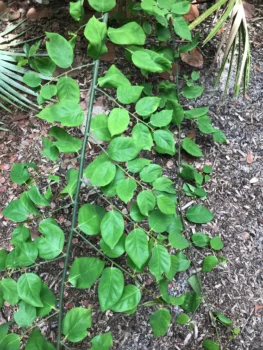
Coinvine: A Coastal Native That’s Perfect for Low-Maintenance Gardens
If you’re looking for a tough, beautiful native plant that can handle whatever Mother Nature throws at it, meet coinvine (Dalbergia ecastaphyllum). This unsung hero of coastal gardening might not have the flashiest name, but it’s got serious staying power and charm to spare.
What Exactly is Coinvine?
Coinvine is a native perennial shrub that typically grows as a multi-stemmed woody plant, usually staying under 13-16 feet tall. Don’t let the name fool you – this isn’t actually a vine at all! It’s a proper shrub that belongs to the legume family, and it’s perfectly at home in the challenging conditions that coastal areas dish out.
This Florida native also calls Puerto Rico and the U.S. Virgin Islands home, where it grows naturally in coastal areas. You’ll find it thriving in Florida, Puerto Rico, and the Virgin Islands, making it a true child of the tropics.
- Species observed
- No observations
Why Your Garden (and Local Wildlife) Will Love Coinvine
Here’s where coinvine really shines – it’s basically the Swiss Army knife of coastal gardening:
- Salt tolerance: Living near the ocean? Coinvine laughs in the face of salt spray
- Drought resistance: Once established, it can handle dry spells like a champ
- Pollinator magnet: Those small, fragrant white to pale yellow flowers are bee and butterfly magnets
- Interesting seed pods: The distinctive winged seed pods add architectural interest to the plant
- Fine-textured foliage: The compound leaves create an elegant, delicate appearance
Perfect Spots for Planting Coinvine
Coinvine isn’t picky, but it definitely has its preferences. This adaptable shrub works wonderfully in:
- Coastal gardens where other plants struggle
- Xerophytic (drought-tolerant) landscapes
- Native plant gardens
- Wildlife-friendly spaces
- Mixed native plantings for screening
- Restoration projects
One thing to note: coinvine has a Facultative Wetland status, meaning it usually prefers wetland conditions but can adapt to drier sites. This flexibility makes it perfect for those tricky spots where water levels might fluctuate.
Growing Coinvine Successfully
The best news about coinvine? It’s refreshingly low-maintenance once you get it established.
Climate and Hardiness
Coinvine is strictly a warm-climate plant, thriving in USDA hardiness zones 10-11. If you’re not in these tropical and subtropical zones, this beauty isn’t going to survive your winters.
Soil and Site Preferences
Give coinvine what it loves:
- Well-draining soil: Sandy soils are perfect – think beach conditions
- Full sun to partial shade: It’s flexible but performs best with plenty of light
- Salt-tolerant conditions: Coastal exposure is no problem
Planting and Care Tips
Getting coinvine established is straightforward:
- Best planting time: Spring gives plants the growing season to establish
- Watering: Regular water until established, then it’s quite drought-tolerant
- Maintenance: Minimal pruning needed – just remove dead or damaged branches
- Fertilizing: As a legume, it can fix its own nitrogen, so go easy on fertilizers
Is Coinvine Right for Your Garden?
Coinvine is an excellent choice if you’re in the right climate zone and looking for a native plant that supports local ecosystems while requiring minimal fuss. It’s particularly valuable for coastal gardeners who struggle with salt exposure and sandy soils – conditions where many plants simply give up.
The main limitation is geography: you need to be in zones 10-11 to grow this plant successfully. But if you’re in Florida, Puerto Rico, or the Virgin Islands, this native shrub deserves a spot in your landscape. Not only will you be supporting local wildlife with those pollinator-friendly flowers, but you’ll also have a resilient, attractive plant that actually gets better with benign neglect.
For gardeners seeking low-maintenance natives that can handle coastal conditions while providing ecological benefits, coinvine checks all the boxes. It’s proof that sometimes the most reliable plants are the ones that have been quietly thriving in your region all along.