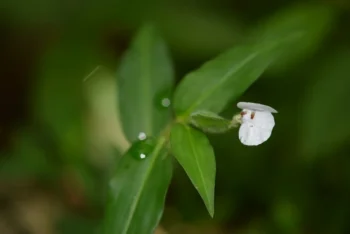
Cojite Blanco: A Lesser-Known Native Treasure from Puerto Rico
If you’re looking to add some authentic Caribbean flair to your garden, you might want to get acquainted with cojite blanco (Commelina rufipes). This charming little plant is a true Puerto Rican native that’s been quietly growing in its island home while most of us have been fussing over more common garden varieties. But don’t let its low profile fool you – this humble forb has some interesting qualities worth exploring.
What Exactly Is Cojite Blanco?
Cojite blanco belongs to the spiderwort family and goes by the botanical name Commelina rufipes. It’s what botanists call a forb – basically a soft-stemmed plant that doesn’t develop woody tissue like shrubs or trees do. Think of it as nature’s way of creating a plant that’s somewhere between a grass and a small shrub, but definitely leaning toward the herbaceous side of life.
This plant can be either annual or perennial, which means it might stick around for just one growing season or decide to make itself at home for several years. Like many plants, it seems to have its own personality when it comes to longevity!
Where Does It Call Home?
Commelina rufipes is exclusively native to Puerto Rico, making it a true island endemic. If you’re gardening anywhere else in the world, this plant represents a little piece of authentic Puerto Rican flora that you won’t find growing wild in your local woods.
- Species observed
- No observations
The Garden Personality of Cojite Blanco
Here’s where things get a bit mysterious – cojite blanco is one of those plants that hasn’t made it into the mainstream gardening world yet. While we know it exists and where it comes from, detailed information about its appearance, size, and garden behavior is surprisingly scarce. This makes it something of a botanical adventure for the curious gardener!
Growing Conditions and Care
What we do know is that cojite blanco has a facultative upland wetland status in the Caribbean region. In plain English, this means it’s typically happy in regular, non-wetland conditions but won’t throw a fit if it occasionally finds itself in wetter soil. This adaptability suggests it might be more forgiving than some finicky garden plants.
Unfortunately, specific information about ideal growing conditions, hardiness zones, and detailed care instructions for Commelina rufipes remains elusive. This is often the case with lesser-known native species that haven’t yet caught the attention of mainstream horticulture.
Should You Plant Cojite Blanco?
The honest answer is: it’s complicated. Here’s what to consider:
- For Puerto Rican gardeners: This could be a wonderful way to support native biodiversity and connect with your local ecosystem
- For mainland gardeners: Finding seeds or plants might be challenging, and without clear growing guidelines, it becomes an experimental endeavor
- For native plant enthusiasts: The mystery factor alone might make this an intriguing addition to a collection of rare or unusual natives
The Reality Check
Let’s be honest – cojite blanco isn’t going to be the star of your Instagram-worthy garden photos anytime soon. With limited availability and scarce growing information, it’s more of a plant for the dedicated native plant collector or someone with a specific connection to Puerto Rican flora.
If you’re drawn to the idea of growing something truly unique and native, but want more practical options, consider exploring other members of the Commelina family that are better documented and more widely available.
The Bottom Line
Commelina rufipes represents the fascinating world of lesser-known native plants – species that exist in their natural habitats but haven’t yet made the leap into cultivated gardens. While it might not be the easiest plant to grow or find, it serves as a reminder that there’s still so much botanical diversity waiting to be discovered and appreciated.
If you do happen to encounter cojite blanco or have the opportunity to grow it, you’d be participating in the conservation of Puerto Rico’s unique plant heritage. Just don’t expect to find a care guide at your local garden center – you’ll be writing your own gardening adventure with this one!