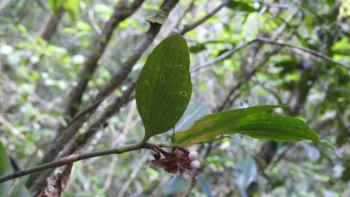
Cojite Blanco: A Lesser-Known Native Puerto Rican Wildflower
Meet cojite blanco (Commelina rufipes var. glabrata), a charming native wildflower that calls Puerto Rico home. While this little beauty might not be the most famous plant in your garden center, it represents the unique botanical heritage of the Caribbean and deserves a closer look from native plant enthusiasts.
What Is Cojite Blanco?
Cojite blanco belongs to the dayflower family and is classified as a forb – essentially a soft-stemmed herbaceous plant without woody growth above ground. This means it’s more like your typical garden flowers and herbs rather than shrubs or trees. The plant can behave as either an annual or perennial, depending on growing conditions.
Like many plants with interesting histories, cojite blanco has collected quite a few scientific names over the years. You might also see it referred to by its synonyms: Athyrocarpus persicariifolius, Commelinopsis glabrata, Commelinopsis persicariifolia, or Phaeosphaerion persicariifolium. Don’t let all those tongue-twisting names intimidate you – it’s still the same delightful plant!
Where Does It Grow Naturally?
Cojite blanco is exclusively native to Puerto Rico, making it a true island endemic. This means if you’re gardening in Puerto Rico, you’re working with a plant that has evolved specifically for your local conditions – pretty cool, right?
- Species observed
- No observations
Should You Grow Cojite Blanco?
Here’s where things get a bit tricky. While cojite blanco is undoubtedly a legitimate native plant worth celebrating, detailed growing information for this specific variety is surprisingly limited in available sources. This doesn’t mean it’s not worth growing – quite the opposite! It might just mean you’ll be joining a select group of gardeners exploring lesser-known native species.
The Challenge of Growing Rare Natives
One of the realities of native plant gardening is that not every species has been extensively studied or cultivated. Cojite blanco appears to fall into this category. While we know it’s a herbaceous plant native to Puerto Rico, specific details about its preferred growing conditions, care requirements, and garden performance aren’t widely documented.
If you’re interested in growing cojite blanco, consider:
- Connecting with local botanical gardens or native plant societies in Puerto Rico
- Looking for seeds or plants from reputable native plant sources
- Starting small and observing how the plant responds to different conditions
- Documenting your growing experiences to help other gardeners
A Plant Worth Preserving
Even without detailed cultivation guides, native plants like cojite blanco play important roles in their ecosystems. As a Puerto Rican endemic, this species represents millions of years of evolution specific to the island’s unique conditions. By growing native plants, you’re supporting local biodiversity and maintaining genetic diversity that could be crucial for future conservation efforts.
The Bottom Line
Cojite blanco might not come with a detailed care manual, but that doesn’t diminish its value as a native plant. If you’re an adventurous gardener in Puerto Rico interested in supporting local flora, this could be an exciting plant to experiment with. Just remember to source it responsibly and consider it a contribution to both your garden and local conservation efforts.
Sometimes the most rewarding gardening experiences come from working with plants that haven’t been figured out yet – you might just become the expert others turn to for growing advice!