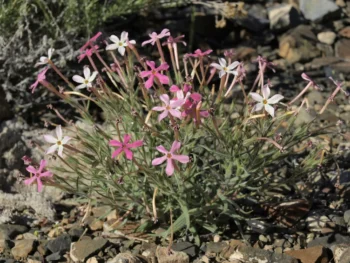
Cold-Desert Phlox: A Hidden Gem for Western Gardens
If you’re searching for a hardy, drought-tolerant native plant that brings delicate beauty to challenging garden spots, cold-desert phlox (Phlox stansburyi superba) might just be your new favorite discovery. This unassuming perennial proves that some of the best garden performers are the ones that don’t demand constant attention.
Meet the Cold-Desert Phlox
Cold-desert phlox is a low-growing perennial shrub that rarely reaches more than 1.5 feet tall, making it perfect for those tricky spots where you need something substantial but not overwhelming. Also known by its synonym Phlox superba Brand, this native beauty has adapted to thrive in some of the most challenging landscapes in the American West.
Where It Calls Home
This resilient plant is native to the lower 48 states, specifically calling California, Nevada, and Utah home. Its natural habitat in these regions gives us important clues about what it needs to thrive in our gardens – namely, excellent drainage and the ability to handle both heat and cold.
- Species observed
- No observations
A Note About Rarity
Before you rush out to find cold-desert phlox, it’s important to know that this plant has a Global Conservation Status of S5T2T4. While the exact implications of this rating aren’t clearly defined, it suggests we should be thoughtful about sourcing. If you decide to grow this beauty, make sure you’re purchasing from reputable nurseries that propagate their plants responsibly rather than wild-collecting.
Why Your Garden Will Love Cold-Desert Phlox
Here’s what makes this plant a winner for water-wise gardeners:
- Drought tolerance: Once established, it requires minimal watering
- Compact size: Perfect for rock gardens, borders, or groundcover applications
- Native credentials: Supports local ecosystems and wildlife
- Low maintenance: Thrives with benign neglect once settled in
- Pollinator friendly: Attracts beneficial insects to your garden
Perfect Garden Spots
Cold-desert phlox shines in:
- Rock gardens and alpine settings
- Xeriscape and drought-tolerant landscapes
- Native plant gardens
- Slopes and areas with challenging drainage
- Low-water border fronts
Growing Conditions That Make It Happy
Success with cold-desert phlox comes down to mimicking its natural habitat:
- Sunlight: Full sun exposure
- Soil: Well-draining soil is absolutely critical – this plant despises wet feet
- Water: Drought-tolerant once established, but benefits from occasional deep watering during extreme drought
- Climate: Likely hardy in USDA zones 4-8, based on its native range
Planting and Care Tips
Getting cold-desert phlox established is straightforward if you remember its preferences:
- Plant in spring or fall when temperatures are moderate
- Ensure excellent drainage – consider raised beds or slopes if your soil is heavy
- Water regularly the first year to help establish roots, then back off
- Avoid fertilizing – these plants prefer lean soils
- Mulch lightly with gravel or decomposed granite rather than organic mulch
The Bottom Line
Cold-desert phlox offers the perfect combination of beauty, resilience, and ecological value for gardeners in its native range. While it might not be the showiest plant in your garden, its quiet charm and steadfast reliability make it a valuable addition to water-wise landscapes. Just remember to source responsibly and give it the well-draining conditions it craves. Your local pollinators – and your water bill – will thank you.