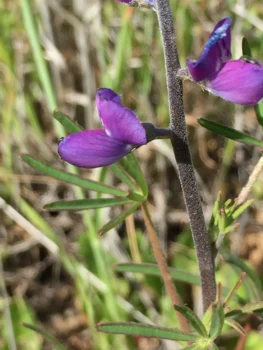
Collared Annual Lupine: A Charming California Native for Your Garden
Meet the collared annual lupine (Lupinus truncatus), a delightful native wildflower that brings both beauty and ecological benefits to California gardens. This petite member of the lupine family may not be as showy as its perennial cousins, but it offers its own special charm and plays an important role in native plant communities.
What Makes Collared Annual Lupine Special
The collared annual lupine is a true California native, found naturally throughout the Golden State. As its common name suggests, this is an annual forb – meaning it completes its entire life cycle in one growing season and lacks woody stems. Don’t let its annual nature fool you though; this little lupine knows how to make the most of its short life!
This species grows exclusively in California, making it a perfect choice for gardeners looking to create authentic native plant landscapes. Its natural range spans various habitats across the state, from coastal areas to inland foothills.
- Species observed
- No observations
Garden Appeal and Landscape Role
While collared annual lupine may be more subtle than some of its flashier garden companions, it brings several valuable qualities to your landscape:
- Delicate spikes of blue to purple flowers that appear in spring
- Low-growing habit perfect for naturalizing in wildflower meadows
- Excellent for erosion control on slopes and hillsides
- Self-seeding nature helps establish natural-looking drifts over time
This lupine works beautifully in native California gardens, wildflower meadows, and naturalized landscapes. It’s particularly well-suited for areas where you want a more understated, natural look rather than formal garden beds.
Wildlife and Pollinator Benefits
Like other lupines, collared annual lupine is a fantastic pollinator plant. Its flowers attract native bees, butterflies, and other beneficial insects. The plant also serves as a host for various native wildlife species and contributes to the overall biodiversity of your garden ecosystem.
As a nitrogen-fixing legume, it actually improves soil health by adding nutrients that benefit neighboring plants – talk about being a good garden neighbor!
Growing Conditions and Care
One of the best things about collared annual lupine is how easy it is to grow, especially if you’re gardening in California’s Mediterranean climate. Here’s what this native beauty needs to thrive:
- Sunlight: Full sun to partial shade
- Soil: Well-draining soils; tolerates poor, sandy, or rocky conditions
- Water: Drought tolerant once established; minimal summer water needed
- Climate: Best suited for USDA hardiness zones 8-10
Planting and Care Tips
Getting started with collared annual lupine is refreshingly simple:
- When to plant: Sow seeds in fall for spring blooms, mimicking natural rainfall patterns
- Seed preparation: Scarify seeds lightly or soak overnight to improve germination
- Direct sowing: This lupine prefers to be direct seeded rather than transplanted
- Spacing: Scatter seeds naturally for a meadow effect, or space 6-12 inches apart for more structure
- Maintenance: Very low maintenance once established; allow plants to self-seed for future generations
The beauty of working with native annuals like collared annual lupine is that they’ve evolved to thrive in local conditions with minimal intervention. Once you establish them, they often take care of themselves!
Is Collared Annual Lupine Right for Your Garden?
This charming native is perfect for California gardeners who want to:
- Support local pollinators and wildlife
- Create naturalized, low-maintenance landscapes
- Add authentic native plants to their garden
- Enjoy subtle spring color in wildflower areas
While collared annual lupine may not provide the dramatic impact of larger perennial lupines, its gentle presence and ecological value make it a wonderful addition to native plant gardens. Give this little California native a try – you might just find yourself charmed by its quiet beauty and impressed by its easy-going nature!