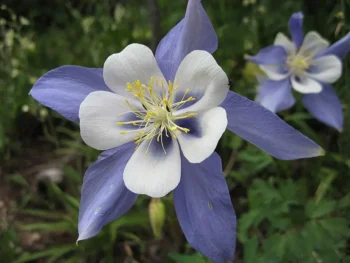
Colorado Blue Columbine: A Rocky Mountain Gem for Your Garden
If you’re looking to add a touch of mountain magic to your garden, the Colorado Blue Columbine (Aquilegia coerulea) might just be your perfect match. This stunning native wildflower brings the serene beauty of high-altitude meadows right to your backyard, complete with its signature blue and white blooms that seem to dance in the breeze.
A True American Native
Colorado Blue Columbine is proudly native to the lower 48 states, making it an excellent choice for gardeners who want to support local ecosystems. You’ll find this beauty growing naturally across the western United States, including Arizona, Colorado, Idaho, Montana, Nevada, New Mexico, South Dakota, Utah, and Wyoming. It’s particularly at home in the Rocky Mountains, where it has earned the honor of being Colorado’s state flower.
- Species observed
- No observations
Why You’ll Fall in Love with This Plant
What makes Colorado Blue Columbine so special? Let’s start with those absolutely gorgeous flowers. Each bloom features distinctive spurred petals in stunning shades of blue and white, creating an almost ethereal appearance that’s hard to match. The flowers are not just beautiful – they’re also designed by nature to be pollinator magnets.
This perennial forb (that’s fancy talk for a non-woody flowering plant) grows to about 2 feet tall with an upright, graceful form. Its delicate, compound foliage provides a lovely backdrop for the showy blooms, and the fine-textured leaves add an airy quality to garden borders.
Perfect Spots in Your Garden
Colorado Blue Columbine is incredibly versatile in the landscape. Here are some ideal places to showcase this mountain beauty:
- Woodland gardens and shaded borders
- Native plant gardens and naturalized areas
- Cottage-style gardens for a whimsical touch
- Alpine or rock gardens
- Areas where you want to attract hummingbirds and butterflies
Thanks to its moderate growth rate and single crown growth form, it plays well with others and won’t overwhelm neighboring plants.
Growing Conditions: What This Mountain Native Needs
While Colorado Blue Columbine might seem delicate, it’s actually quite adaptable when you give it the right conditions. Here’s what it loves:
Soil: Well-draining soil is essential. It adapts well to coarse and medium-textured soils but struggles in heavy clay. A pH between 6.2 and 8.4 works perfectly.
Light: This shade-tolerant plant actually prefers some protection from intense sun, especially in warmer climates. Morning sun with afternoon shade is ideal.
Water: Medium moisture needs mean it’s not drought-tolerant but doesn’t want soggy conditions either. Think consistently moist but never waterlogged.
Climate: Hardy in USDA zones 3-8, this tough cookie can handle temperatures as low as -28°F. It needs at least 130 frost-free days and prefers areas receiving 12-40 inches of precipitation annually.
Planting and Care Tips
Ready to add this beauty to your garden? Here’s how to ensure success:
Starting from Seed: Colorado Blue Columbine is typically grown from seed, and you’re in luck – it’s routinely available commercially. The seeds require cold stratification (a winter chill period), so fall planting works wonderfully, or you can simulate winter in your refrigerator.
Planting: Space plants appropriately since they’ll reach about 2 feet tall. Plant in spring after the last frost, ensuring good drainage.
Ongoing Care: This low-maintenance perennial has medium fertility requirements, so annual compost addition is usually sufficient. While it has a relatively short lifespan for a perennial, it readily self-seeds to maintain its presence in your garden.
Seasonal Interest: Expect beautiful blooms in late spring, with active growth throughout spring and summer. The plant isn’t particularly conspicuous in fall, so consider companion plants for extended seasonal interest.
Wildlife and Pollinator Benefits
One of the best reasons to grow Colorado Blue Columbine is its value to wildlife. Those distinctive spurred flowers aren’t just pretty – they’re specifically designed to attract long-tongued pollinators like hummingbirds and certain bee species. Butterflies also visit regularly, making your garden a bustling hub of beneficial activity.
Wetland Status and Water Gardens
Interestingly, Colorado Blue Columbine has different wetland preferences depending on your region. In the Arid West, it’s considered Facultative Upland, meaning it usually grows in non-wetland areas. However, in the Western Mountains, Valleys, and Coast regions, it’s Facultative, meaning it can thrive in both wetland and non-wetland conditions. This flexibility makes it adaptable to various moisture conditions in your garden.
The Bottom Line
Colorado Blue Columbine is a fantastic choice for gardeners who want to combine beauty with ecological benefits. Its stunning flowers, pollinator appeal, and native status make it a winner in almost any garden setting. While it may be short-lived as individual plants go, its ability to self-seed means you’ll likely enjoy its presence for years to come.
Just remember to provide good drainage, some shade protection, and moderate moisture, and this Rocky Mountain native will reward you with its ethereal beauty season after season. Whether you’re creating a native plant haven or simply want to add some mountain magic to your landscape, Colorado Blue Columbine delivers on all fronts.