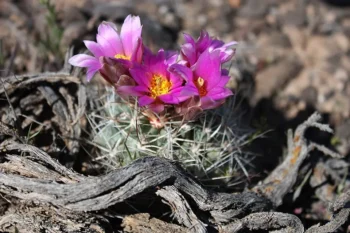
Colorado Hookless Cactus: A Rare Gem for the Specialized Gardener
If you’re drawn to unique, rare plants that tell a story of resilience and adaptation, the Colorado hookless cactus might just capture your heart. But before we dive into the world of this fascinating little barrel cactus, there’s something important you need to know: this isn’t your average garden center find.
What Makes This Cactus Special?
The Colorado hookless cactus (Sclerocactus glaucus) is a small but mighty perennial that’s as rare as it is beautiful. Also known as the Uinta Basin hookless cactus, this little survivor boasts a distinctive blue-green (glaucous) coloration that gives it its scientific name. When it blooms, it produces stunning pink to magenta flowers that seem almost too vibrant for such a modest plant.
A True Colorado Native
This cactus is a true Colorado original, found only in specific areas of the state. It’s perfectly adapted to the harsh conditions of the Colorado Plateau region, where it has learned to thrive in some of the most challenging environments you can imagine.
- Species observed
- No observations
Important Conservation Alert
Here’s where things get serious, fellow gardeners. The Colorado hookless cactus is currently listed as Threatened in Colorado, with a global conservation status that reflects its precarious situation in the wild. This means that if you’re considering adding this beauty to your collection, you have a responsibility to source it ethically and legally.
Only purchase plants from reputable nurseries that can verify their plants are legally propagated and not wild-collected. Never collect this plant from the wild – it’s not only harmful to the species but likely illegal as well.
Is This Cactus Right for Your Garden?
Let’s be honest: the Colorado hookless cactus isn’t for everyone. This is a plant for the dedicated specialist who appreciates rare and challenging species. Here’s what you need to consider:
Perfect for:
- Experienced cactus and succulent collectors
- Rock gardens and xeric landscapes
- Desert-themed gardens
- Conservation-minded gardeners
- USDA hardiness zones 5-8
Not ideal for:
- Beginner gardeners
- Areas with high humidity or excessive rainfall
- Gardens without excellent drainage
- Casual gardeners looking for low-maintenance options
Growing Conditions: Mimicking the Colorado Plateau
If you’re up for the challenge, here’s how to keep your Colorado hookless cactus happy:
- Sunlight: Full sun is absolutely essential
- Soil: Extremely well-draining, alkaline soil (think rocky, sandy, or gravelly)
- Water: Minimal watering – this plant is built for drought
- Climate: Dry conditions with good air circulation
- Temperature: Can handle cold better than many cacti, suitable for zones 5-8
Planting and Care Tips
Success with this rare beauty comes down to one word: drainage. Here’s your game plan:
- Plant in a raised bed or container with a gritty, fast-draining mix
- Add plenty of coarse sand, perlite, or small gravel to regular potting soil
- Water sparingly during the growing season, and barely at all in winter
- Protect from excessive moisture, especially during dormant periods
- Provide good air circulation to prevent fungal issues
Wildlife and Pollinator Benefits
Despite its small stature, the Colorado hookless cactus plays an important role in its ecosystem. Its colorful flowers attract native bees and other specialized desert pollinators, making it a valuable addition to pollinator-friendly gardens in appropriate climates.
The Bottom Line
The Colorado hookless cactus is a plant that demands respect – both for its rarity and its specific needs. If you’re an experienced grower looking to contribute to conservation efforts while adding something truly special to your collection, and you can source it responsibly, this remarkable little cactus might be worth the challenge.
Just remember: with great rarity comes great responsibility. By choosing to grow this threatened species, you become part of its conservation story. Make sure it’s a story with a happy ending by providing the specialized care it needs to thrive.