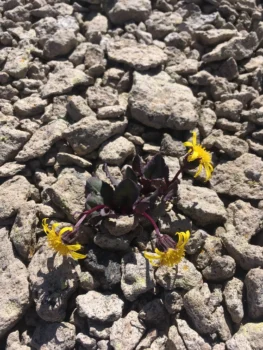
Colorado Ragwort: A Lesser-Known Native Wildflower Worth Knowing
Meet Colorado ragwort (Senecio soldanella), a native perennial that might not be on every gardener’s radar, but deserves a spot in our conversation about regional native plants. This herbaceous wildflower belongs to the vast Senecio genus, which includes hundreds of species worldwide, though our Colorado ragwort is distinctly North American.
Where You’ll Find Colorado Ragwort
Colorado ragwort is a true regional native, calling the southwestern United States home. You’ll find this perennial forb naturally growing in Colorado and New Mexico, where it has adapted to the unique conditions of the American Southwest.
- Species observed
- No observations
As a native species, Colorado ragwort has evolved alongside local wildlife and fits naturally into regional ecosystems. Its native status means it’s already adapted to local climate patterns, soil conditions, and seasonal changes that characterize its home range.
What Is Colorado Ragwort?
Colorado ragwort is what botanists call a forb – essentially a non-woody perennial plant that dies back to the ground each winter and returns from its root system each spring. Think of it as an herbaceous perennial that lacks the woody stems of shrubs and trees.
You might also encounter this plant listed under its botanical synonym, Ligularia soldanella, in some older references, but Senecio soldanella is the currently accepted scientific name.
Should You Grow Colorado Ragwort?
Here’s where things get interesting – and a bit challenging. While Colorado ragwort is undoubtedly a legitimate native species worthy of conservation and appreciation, detailed cultivation information is surprisingly scarce. This likely means it’s either:
- Not commonly cultivated in home gardens
- Challenging to grow outside its natural habitat
- Simply overlooked by the horticultural trade
For native plant enthusiasts in Colorado and New Mexico, this species represents an opportunity to support truly local biodiversity. However, the lack of readily available cultivation information suggests you might want to start with better-documented native alternatives if you’re new to native gardening.
Growing Conditions and Care
Unfortunately, specific growing requirements for Colorado ragwort aren’t well-documented in standard horticultural sources. As a native of Colorado and New Mexico, it’s likely adapted to:
- Alkaline soils common in the Southwest
- Low to moderate moisture conditions
- High elevation growing conditions
- Temperature extremes typical of continental climates
If you’re determined to try growing this species, your best bet would be to replicate the conditions where it naturally occurs and source seeds or plants from reputable native plant suppliers in the region.
Alternative Native Options
If Colorado ragwort proves difficult to source or grow, consider these well-documented native alternatives from the same region:
- Other Senecio species that are more commonly available
- Native asters and sunflowers
- Regional wildflower mixes that include multiple southwestern natives
The Bottom Line
Colorado ragwort represents the fascinating diversity of our native flora, even if it’s not destined to become a garden center staple. While we can’t provide detailed growing instructions due to limited cultivation information, this species serves as a reminder that our landscapes harbor many specialized natives adapted to very specific conditions.
For gardeners in Colorado and New Mexico interested in supporting local biodiversity, Colorado ragwort might be worth seeking out from specialized native plant sources. Just be prepared for some trial and error, and have backup native options ready to fill your garden beds!