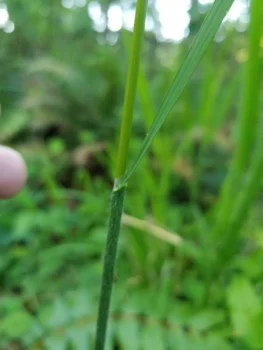
Columbia Brome: A Low-Maintenance Native Grass for Western Gardens
If you’re looking for a native grass that won’t demand much attention while still contributing to your local ecosystem, Columbia brome (Bromus vulgaris) might just be your new gardening ally. This unassuming perennial grass has been quietly thriving across western North America long before we started worrying about water-wise landscaping.
What Is Columbia Brome?
Columbia brome is a native perennial grass that grows throughout much of western North America. You might also see it listed under its botanical synonyms like Bromopsis vulgaris, but don’t let the scientific names intimidate you – this is simply a hardy, adaptable grass that knows how to make itself at home in challenging conditions.
Where Does It Grow Naturally?
This grass calls a impressive swath of North America home, naturally occurring in Alberta, British Columbia, California, Idaho, Montana, Nevada, Oregon, Utah, Washington, and Wyoming. Its native range spans both Canada and the lower 48 states, making it a truly continental species.
- Species observed
- No observations
Should You Plant Columbia Brome?
Here’s the honest truth: Columbia brome isn’t going to win any beauty contests. With its modest height of about 1 foot and inconspicuous yellow flowers, it’s more of a supporting actor than a garden star. However, there are some compelling reasons why you might want to give it a spot in your landscape:
- It’s genuinely native to western regions
- Extremely drought tolerant once established
- Requires very little fertility or care
- Provides habitat and food for wildlife
- Excellent for erosion control
- Tolerates shade better than many grasses
Garden Role and Landscape Uses
Columbia brome shines in naturalized settings rather than formal gardens. Think restoration projects, wildlife habitat areas, or that challenging slope where nothing else seems to thrive. Its rhizomatous growth form means it spreads slowly underground, making it useful for stabilizing soil without becoming aggressive.
This grass works particularly well in:
- Native plant gardens
- Wildlife habitat restoration
- Low-maintenance naturalized areas
- Erosion control projects
- Understory plantings in partially shaded areas
Growing Conditions and Care
One of Columbia brome’s best features is its easygoing nature. This grass has adapted to thrive in conditions that would stress out more finicky plants:
- Soil: Adapts to coarse and medium-textured soils; pH range of 5.4 to 7.9
- Water: High drought tolerance with low moisture requirements once established
- Sunlight: Tolerates shade well, though grows in full sun too
- Temperature: Hardy to at least -23°F
- Fertility: Low fertility requirements – no need to pamper it with rich soil
Planting and Establishment
Columbia brome is typically grown from seed, and you’ll need to source it through specialty native plant contractors rather than your local garden center. Here’s what you need to know:
- Seeds are available from spring through summer
- Moderate spread rate once established
- High seedling vigor
- Blooms in late spring with modest yellow flowers
- Active growth period during summer months
The key to success is patience – like many native grasses, Columbia brome takes time to establish but rewards you with years of low-maintenance performance once it settles in.
Wildlife and Ecosystem Benefits
While Columbia brome might not attract butterflies like a showy wildflower, it plays important ecological roles. The seeds provide food for various bird species, and the grass structure offers habitat for small wildlife. Its presence in wetland edges (it’s classified as facultative upland in most regions) suggests it can help with natural water management in appropriate settings.
The Bottom Line
Columbia brome isn’t for gardeners seeking instant gratification or dramatic visual impact. But if you’re working on habitat restoration, need erosion control, or simply want to support native ecosystems with minimal effort, this humble grass deserves consideration. It’s proof that sometimes the most valuable plants are the ones that quietly do their job without asking for much in return.
Just remember to source your seed responsibly from reputable native plant suppliers to ensure you’re getting true local genetics that will perform best in your specific area.