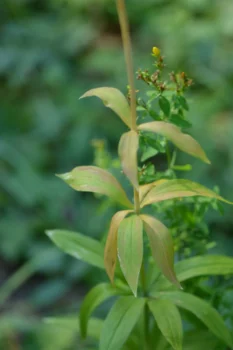
Columbia Lily: A Pacific Northwest Native That’ll Make Your Garden Bloom with Pride
If you’re looking to add some serious wow-factor to your woodland garden while supporting native wildlife, let me introduce you to the Columbia lily (Lilium columbianum). This stunning Pacific Northwest native is like nature’s own fireworks display – orange, spotted, and absolutely impossible to ignore when it’s in bloom.
What Makes Columbia Lily Special?
The Columbia lily is a perennial forb that belongs to the true lily family, and boy, does it live up to its prestigious lineage! This herbaceous beauty lacks woody stems but makes up for it with pure floral drama. Standing tall at 2-4 feet, it’s the kind of plant that makes garden visitors stop in their tracks and ask, What IS that gorgeous thing?
You might also see this plant listed under its botanical synonym Lilium canadense var. parviflorum in older gardening references, but Lilium columbianum is the name that’s stuck.
Where Does Columbia Lily Call Home?
This native beauty hails from the Pacific Northwest and western regions of North America. You’ll find wild populations thriving in British Columbia, California, Idaho, Montana, Oregon, and Washington. It’s truly a plant that knows how to make itself at home across diverse landscapes, from coastal areas to mountain meadows.
- Species observed
- No observations
Why Your Garden (and Local Wildlife) Will Love It
Let’s talk about those flowers – because wow! The Columbia lily produces stunning orange blooms adorned with dark purple spots, and the petals curve backward in an elegant recurved fashion that’s simply mesmerizing. These aren’t just pretty faces either; they’re pollinator magnets that attract:
- Butterflies looking for a nectar-rich meal
- Bees of various species
- Hummingbirds who can’t resist those bright orange beacons
Beyond the pollinator party, Columbia lily plays an important role in supporting local ecosystems and provides food sources for various wildlife species throughout its growing season.
Perfect Garden Spots for Columbia Lily
This woodland wonder is absolutely perfect for:
- Woodland gardens where it can naturalize beautifully
- Shade gardens that need a pop of vibrant color
- Native plant borders and naturalized areas
- Areas where you want to create vertical interest without overwhelming smaller plants
The Columbia lily really shines when it’s allowed to do its thing in semi-wild settings, though it’s equally at home in more formal native plant gardens.
Growing Columbia Lily Successfully
Here’s the good news: while Columbia lily might look exotic, it’s surprisingly manageable if you give it what it wants. This native beauty thrives in USDA hardiness zones 4-8, making it accessible to gardeners across a wide range of climates.
Ideal Growing Conditions
Think woodland floor when planning your Columbia lily’s home:
- Partial shade to dappled sunlight (avoid harsh, full sun)
- Moist but well-draining soil – soggy conditions are a no-go
- Rich, organic soil that mimics forest conditions
- Protection from strong winds
Planting and Care Tips
Plant your Columbia lily bulbs in fall, giving them time to establish before winter. These bulbs need that cold winter period to bloom properly, so don’t try to rush the process. Here are some key care points:
- Plant bulbs 3 times their height deep
- Add organic mulch to retain moisture and suppress weeds
- Avoid disturbing the bulbs once they’re established – they like stability
- Allow foliage to die back naturally to feed the bulb for next year’s show
- Be patient – it may take a year or two for newly planted bulbs to hit their stride
The Bottom Line
Columbia lily is one of those native plants that makes you wonder why anyone would choose anything else. It’s beautiful, supports local wildlife, and once established, it’s relatively low-maintenance. Plus, there’s something deeply satisfying about growing a plant that truly belongs in your local ecosystem.
If you’re ready to add some native flair to your garden while creating habitat for pollinators and wildlife, Columbia lily deserves a spot on your planting list. Just remember to source your bulbs responsibly from reputable native plant nurseries, and get ready to enjoy years of stunning summer blooms that’ll make your neighbors seriously jealous!