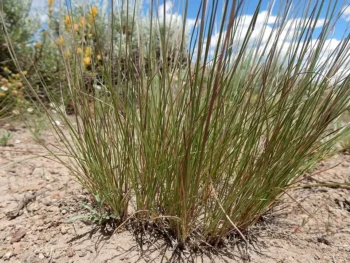
Columbia Needlegrass: A Graceful Native Grass for Western Gardens
Looking for a tough, beautiful native grass that won’t demand constant attention? Meet Columbia needlegrass (Achnatherum nelsonii), a perennial bunch grass that’s been quietly beautifying Western landscapes for centuries. This elegant graminoid might just be the low-maintenance solution your garden has been waiting for.
What Makes Columbia Needlegrass Special
Columbia needlegrass is a true native success story. This hardy perennial grass calls much of western North America home, naturally occurring across an impressive range that includes Alberta, British Columbia, Saskatchewan, and Yukon in Canada, plus seventeen U.S. states from Arizona to Wyoming. That’s quite the geographical footprint for one species!
- Species observed
- No observations
As a native plant, Columbia needlegrass has spent thousands of years adapting to local conditions, making it naturally suited to thrive in western climates without the fuss that many non-native ornamentals require.
The Look: Understated Elegance
This isn’t your typical lawn grass. Columbia needlegrass grows in attractive clumps or bunches, creating a fine-textured appearance that adds subtle movement and visual interest to the landscape. The grass produces delicate seed heads that dance gracefully in even the slightest breeze, bringing life and motion to your garden throughout the growing season.
Where Columbia Needlegrass Shines in Your Landscape
Columbia needlegrass is incredibly versatile in garden design. Here’s where it works best:
- Native plant gardens and prairie restorations
- Xeriscaping and drought-tolerant landscapes
- Natural erosion control on slopes
- Wildlife habitat gardens
- Low-maintenance border plantings
- Specimen grass for textural contrast
Growing Conditions: Tough as Nails
One of the best things about Columbia needlegrass is its adaptability. This resilient grass thrives in full sun and well-drained soils, making it perfect for those challenging spots where other plants struggle. Once established, it’s remarkably drought tolerant – a real blessing for water-conscious gardeners.
The wetland status varies by region, but generally speaking, this grass prefers upland conditions rather than wet areas. In most regions, it’s classified as Obligate Upland, meaning it almost never occurs in wetlands, though in the Arid West it can occasionally tolerate slightly moister conditions.
Hardiness and Climate
Columbia needlegrass is hardy in USDA zones 4-8, making it suitable for a wide range of climates from cold mountain regions to warmer valleys. This broad hardiness range reflects its native distribution across diverse western ecosystems.
Planting and Care Tips
Getting Columbia needlegrass established is straightforward:
- Plant seeds in fall or early spring when natural moisture is available
- Choose a sunny location with good drainage
- Water regularly during the first growing season to establish roots
- Once established, minimal irrigation needed
- Very low maintenance – no regular fertilizing required
- Allow seed heads to mature for wildlife benefits
Wildlife and Ecological Benefits
Like many native grasses, Columbia needlegrass provides important habitat structure for wildlife. While it’s wind-pollinated rather than attracting specific pollinators, it creates valuable cover and nesting sites for birds and small mammals. The seeds also provide food for various wildlife species, making it a great choice for gardeners wanting to support local ecosystems.
Is Columbia Needlegrass Right for Your Garden?
Columbia needlegrass is an excellent choice if you’re looking for:
- A truly native plant that supports local ecosystems
- Low-maintenance landscaping solutions
- Drought-tolerant garden elements
- Natural-looking, textural interest
- Wildlife habitat enhancement
However, it might not be the best fit if you prefer highly manicured, formal garden styles or need plants for consistently moist areas.
The Bottom Line
Columbia needlegrass proves that native doesn’t mean boring. This graceful grass brings natural beauty, ecological benefits, and refreshingly low maintenance requirements to western gardens. Whether you’re creating a prairie restoration, adding texture to a native plant garden, or simply want a tough, attractive grass that can handle whatever Mother Nature throws at it, Columbia needlegrass deserves serious consideration. Your garden – and local wildlife – will thank you for it.