Columbian Monkshood: A Stunning But Dangerous Native Wildflower
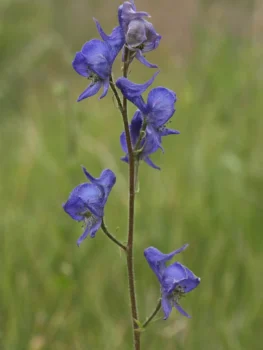
If you’re looking for a show-stopping native wildflower that commands attention in the garden, Columbian monkshood (Aconitum columbianum ssp. columbianum) might catch your eye. This dramatic perennial produces towering spikes of deep blue to purple helmet-shaped flowers that can make any wildflower garden feel like an enchanted mountain meadow. But before you rush to add this beauty to your shopping list, there’s something crucial you need to know: this plant is extremely toxic.
What Makes Columbian Monkshood Special
Columbian monkshood is a true native gem, naturally found across western North America from British Columbia down through the mountainous regions of Arizona, California, Colorado, Idaho, Iowa, Montana, Nevada, New Mexico, Oregon, South Dakota, Utah, Washington, and Wyoming. As a perennial forb (that’s botanist-speak for a non-woody flowering plant), it returns year after year to grace your garden with its presence.
- Species observed
- No observations
The plant’s most striking feature is undoubtedly its unique flowers. Each bloom resembles a medieval monk’s hood – hence the common name – and they’re arranged in tall, stately spikes that can reach impressive heights. The deeply divided, palmate leaves add textural interest even when the plant isn’t blooming.
The Big Warning: This Plant is Seriously Toxic
Here’s where we need to have a serious conversation. All parts of Columbian monkshood contain potent alkaloids that are extremely poisonous to humans, pets, and livestock. We’re talking about a plant that has historically been used to poison arrow tips – that’s not something to take lightly in a family garden.
If you have children, pets, or livestock that might nibble on plants, this is absolutely not the right choice for you. Even handling the plant can potentially cause skin irritation in sensitive individuals, and ingesting any part can be fatal.
Where and How to Grow It (If You Choose To)
For experienced gardeners who understand the risks and can provide a safe growing environment, Columbian monkshood can be a stunning addition to the right garden. Here’s what you need to know:
Ideal Growing Conditions
- USDA Hardiness Zones: 3-7 (it loves cooler climates)
- Light: Partial shade to filtered sunlight
- Soil: Moist, well-draining soil rich in organic matter
- Water: Consistent moisture is key – this isn’t a drought-tolerant plant
- Temperature: Prefers cool, mountain-like conditions
Garden Design Ideas
When safely grown, Columbian monkshood works beautifully in:
- Native wildflower gardens
- Mountain or alpine-style landscapes
- Shaded woodland gardens
- Back-of-border plantings where its height creates drama
- Areas designed specifically for experienced gardeners without pets or children
Planting and Care Tips
If you decide this plant fits your situation, here’s how to grow it successfully:
- Plant in spring after the last frost
- Choose a location with morning sun and afternoon shade
- Amend soil with compost for good drainage and nutrition
- Water regularly – never let it completely dry out
- Mulch around the base to retain moisture
- Always wear gloves when handling and wash hands thoroughly afterward
Wildlife and Pollinator Benefits
Despite its toxicity to mammals, Columbian monkshood is actually valuable for certain pollinators, particularly bumblebees and other long-tongued bees that can navigate the helmet-shaped flowers. The unique flower structure has co-evolved with these specific pollinators, making it an important part of the mountain ecosystem’s web of relationships.
Should You Plant It?
This is ultimately a personal decision that depends on your specific situation. Columbian monkshood is undeniably beautiful and ecologically valuable, but the safety risks are real and serious. Consider these factors:
Good candidate if you:
- Are an experienced gardener comfortable with toxic plants
- Have no children, pets, or livestock
- Can provide the cool, moist conditions it needs
- Want to support native mountain ecosystem pollinators
Look for alternatives if you:
- Have children, pets, or livestock
- Are uncomfortable with toxic plants
- Live in a hot, dry climate
- Are a beginning gardener
The Bottom Line
Columbian monkshood is a stunning native plant that can add drama and ecological value to the right garden. However, its extreme toxicity means it’s not suitable for every situation. If you choose to grow it, treat it with the respect and caution it demands. And if it’s not right for your garden, there are plenty of other beautiful, safer native wildflowers that can give you that mountain meadow magic without the worry.
Remember: gardening should be enjoyable and safe for everyone in your household. When in doubt, choose plants that let you garden with peace of mind.