Columbian Whitetop Aster: A Hidden Gem for Pacific Northwest Gardens
If you’re looking for a native perennial that brings late-season charm to your Pacific Northwest garden, meet the Columbian whitetop aster (Sericocarpus rigidus). This delightful little wildflower might not be the showiest plant in the nursery, but it packs a punch when it comes to supporting local ecosystems and adding subtle beauty to challenging garden spots.
What Makes This Plant Special
The Columbian whitetop aster is a true Pacific Northwest native, calling British Columbia, Washington, and Oregon home. As a perennial forb (that’s garden-speak for a non-woody flowering plant), it returns year after year with minimal fuss. You might also see it listed under its scientific synonym, Aster curtus, in older gardening references.
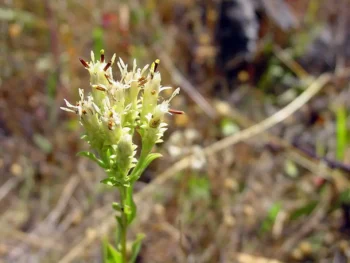
This charming plant produces clusters of small, white daisy-like flowers with sunny yellow centers that bloom in late summer when many other natives are winding down. The silvery-green foliage provides an attractive backdrop throughout the growing season, and the compact growth habit makes it perfect for tucking into smaller spaces.
- Species observed
- No observations
A Word About Conservation
Here’s something important to know: Columbian whitetop aster has a Global Conservation Status of S3, meaning it’s considered vulnerable throughout its range. With only an estimated 21-100 occurrences and between 3,000-10,000 individual plants in the wild, this species needs our help. If you choose to grow it (and we hope you do!), please make sure you’re getting your plants from reputable native plant nurseries that use responsibly sourced, locally appropriate genetics.
Perfect Garden Situations
This adaptable native thrives in several garden settings:
- Rock gardens where its drought tolerance shines
- Native plant gardens focused on regional flora
- Woodland edges with dappled sunlight
- Xerophytic (dry) landscapes
- Naturalized areas where you want low-maintenance groundcover
The plant works beautifully as a groundcover or specimen plant, especially in areas where you want something that looks intentional but not overly manicured.
Growing Conditions and Care
One of the best things about Columbian whitetop aster is how easygoing it is once established. This hardy perennial thrives in USDA zones 4-8, making it suitable for most Pacific Northwest gardens.
Soil and Sun Requirements:
- Well-drained soils are essential (it really doesn’t like wet feet)
- Full sun to partial shade works well
- Poor to moderately fertile soils are actually preferred
- Avoid rich, heavily amended garden soils
Water Needs: Once established, this plant is impressively drought tolerant. In fact, overwatering is more likely to cause problems than underwatering. Give it regular water the first year to help roots establish, then back off significantly.
Planting and Maintenance Tips
Spring is the ideal time to plant Columbian whitetop aster. Choose a spot with good drainage and prepare the soil by ensuring it won’t hold standing water after rain or irrigation.
Maintenance couldn’t be simpler:
- Deadhead spent flowers to encourage continued blooming
- Cut back in late fall or early spring
- Avoid fertilizing (it prefers lean conditions)
- Water sparingly once established
Supporting Pollinators
Late summer can be a tough time for pollinators, but that’s exactly when Columbian whitetop aster comes to the rescue. Its small flowers are perfect for native bees, butterflies, and other beneficial insects looking for nectar sources when many other plants have finished blooming. By growing this native, you’re providing crucial habitat support for local wildlife.
The Bottom Line
Columbian whitetop aster might not be the flashiest plant in your garden, but it more than makes up for it with reliability, conservation value, and subtle beauty. If you have a spot that needs a tough, drought-tolerant native that supports local wildlife, this could be your plant. Just remember to source it responsibly – every plant we grow helps ensure this vulnerable species has a future in our landscapes.
Whether you’re creating a rock garden, establishing a native plant area, or just want something beautiful and low-maintenance for a challenging spot, Columbian whitetop aster deserves serious consideration. Your local pollinators will thank you, and you’ll enjoy years of easy-care beauty from this Pacific Northwest gem.