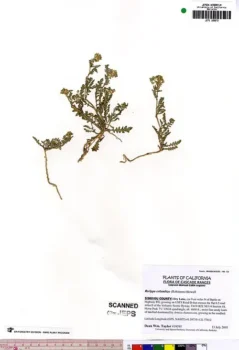
Columbian Yellowcress: A Rare Pacific Northwest Wetland Gem
If you’re passionate about native wetland gardening and love supporting rare plant species, Columbian yellowcress (Rorippa columbiae) might just be the specialized addition your bog garden has been waiting for. This lesser-known member of the mustard family brings authentic Pacific Northwest character to wetland landscapes, though it comes with some important considerations for the conscientious gardener.
Meet the Columbian Yellowcress
Columbian yellowcress is a perennial forb—essentially a soft-stemmed plant without woody tissue—that’s perfectly adapted to life in wet places. As its name suggests, this modest beauty produces clusters of small yellow flowers that add subtle charm to wetland settings. Don’t expect showy garden center glamour; this plant’s appeal lies in its authenticity and ecological value rather than flashy blooms.
Where It Calls Home
This Pacific Northwest native has a relatively small range, naturally occurring in California, Oregon, and Washington. It’s specifically adapted to the unique climate and wetland conditions of these coastal and near-coastal regions.
- Species observed
- No observations
A Plant That Demands Respect
Here’s something crucial every gardener should know: Columbian yellowcress has a Global Conservation Status of S3, meaning it’s considered vulnerable. With typically only 21 to 100 occurrences and between 3,000 to 10,000 individuals in the wild, this isn’t your everyday garden center find. If you’re interested in growing this species, it’s absolutely essential to source material responsibly—never collect from wild populations and only purchase from reputable native plant nurseries that propagate their stock ethically.
Why Consider Growing Columbian Yellowcress?
While this plant isn’t for everyone, it offers unique benefits for the right gardener:
- Supports native ecosystems and rare plant conservation
- Provides nectar for small native pollinators including bees and flies
- Adds authentic regional character to wetland gardens
- Helps with wetland restoration projects
- Requires minimal care once established in proper conditions
The Right Garden for Yellowcress
Columbian yellowcress isn’t suited for typical garden beds—it’s an obligate wetland plant that almost always occurs in wetland conditions. Consider this species if you have:
- A naturalized wetland or bog garden
- Rain garden or bioswale project
- Pond margins or stream edges
- Native plant restoration area with consistent moisture
- Specialized collection of rare Pacific Northwest natives
Growing Conditions and Care
Success with Columbian yellowcress depends entirely on recreating its preferred wetland habitat:
Moisture: This plant demands consistently moist to wet soils and can tolerate seasonal flooding. Think swamp, not just moist garden bed.
Light: Full sun to partial shade works well, with morning sun and afternoon protection often ideal.
Climate: Hardy in USDA zones 7-10, matching its Pacific coastal native range.
Soil: Tolerates various soil types as long as moisture levels remain high year-round.
Planting and Establishment
Given its rarity, obtaining Columbian yellowcress requires patience and ethical sourcing. When you do find responsibly propagated plants or seeds:
- Plant in fall when natural moisture levels are increasing
- Ensure your planting site stays consistently wet
- Avoid fertilizers—wetland plants prefer lean conditions
- Be patient with establishment; specialized plants take time
- Consider companion plantings of other Pacific Northwest wetland natives
The Bottom Line
Columbian yellowcress isn’t for casual gardeners or typical landscapes, but for wetland enthusiasts and conservation-minded gardeners with appropriate conditions, it offers a chance to support a vulnerable native species. Its modest yellow blooms and specialized nature make it more about ecological contribution than ornamental impact. If you have the right wetland conditions and can source plants responsibly, this rare Pacific Northwest native could be a meaningful addition to your conservation garden efforts.
Just remember: with great rarity comes great responsibility. Only grow this species if you can provide proper wetland conditions and have sourced your plants from ethical propagation programs.