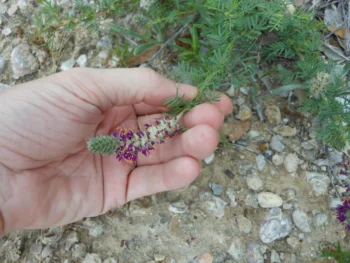
Comanche Peak Prairie Clover: A Rare Texas Treasure for Your Native Garden
Meet one of Texas’s most charming yet endangered wildflowers: Comanche Peak prairie clover (Dalea reverchonii). This little-known native perennial might just be the perfect addition to your drought-tolerant landscape – if you can find it responsibly sourced, that is.
What Makes Comanche Peak Prairie Clover Special?
This delightful forb herb brings subtle elegance to any garden with its distinctive purple-pink flower spikes that dance above silvery-green compound leaves. Unlike its woody cousins, this perennial maintains soft, herbaceous growth that dies back to ground level each winter, emerging fresh each spring with renewed vigor.
Also known by its scientific name Dalea reverchonii (formerly called Petalostemon reverchonii), this prairie clover typically grows as a compact, mounded plant that fits beautifully into rock gardens, native plant borders, or xeriscaped areas where water conservation is key.
Where Does It Call Home?
Comanche Peak prairie clover is a true Texas endemic, naturally occurring only in the north-central region of the Lone Star State. This extremely limited native range makes it a special find for gardeners wanting to grow something truly unique to their region.
- Species observed
- No observations
A Word About Rarity
Important conservation note: This beautiful prairie clover carries a Global Conservation Status of S2, meaning it’s considered imperiled due to extreme rarity. With typically only 6 to 20 known occurrences and fewer than 3,000 individuals remaining in the wild, this plant needs our help to survive.
If you’re interested in growing Comanche Peak prairie clover, please only purchase from reputable native plant nurseries that propagate their own stock rather than wild-collecting. By choosing responsibly sourced plants, you’re supporting conservation efforts while enjoying this rare beauty in your garden.
Perfect Pollinator Magnet
Don’t let its small stature fool you – this prairie clover packs a powerful punch for pollinators! The nectar-rich flower spikes attract a wonderful variety of bees, butterflies, and other beneficial insects throughout the blooming season. It’s like hosting a tiny pollinator party in your backyard.
Growing Conditions: Keep It Simple
The good news? Comanche Peak prairie clover is refreshingly low-maintenance once you understand its preferences:
- Sunlight: Full sun is essential for best flowering and compact growth
- Soil: Well-drained soils are crucial – this plant despises soggy feet
- Water: Drought tolerant once established; actually prefers drier conditions
- Soil type: Thrives in limestone or calcareous soils typical of its native habitat
- Climate zones: Hardy in USDA zones 7-9
Planting and Care Tips
Spring is the ideal time to introduce this prairie beauty to your garden. Here’s how to give it the best start:
- Plant in spring after the last frost date
- Ensure excellent drainage – consider raised beds or slopes if your soil tends to hold water
- Water regularly the first season to help establish roots, then back off significantly
- Avoid fertilization – prairie plants prefer lean soils and too much nutrition can actually harm them
- Allow natural winter dieback; resist the urge to clean up too early in spring
Perfect Garden Companions
Comanche Peak prairie clover shines brightest when planted alongside other Texas natives that share similar growing conditions. Consider pairing it with native grasses, other drought-tolerant wildflowers, or incorporating it into a dedicated rock garden where its compact form and delicate flowers can be properly appreciated.
This rare gem works beautifully in:
- Native wildflower gardens
- Xeriscaped landscapes
- Rock or gravel gardens
- Prairie restoration projects
- Pollinator-focused plantings
The Bottom Line
While Comanche Peak prairie clover requires some hunting to find responsibly sourced plants, it’s absolutely worth the effort for Texas gardeners wanting to support local biodiversity. This charming perennial offers beautiful blooms, attracts beneficial insects, and requires minimal care once established – all while helping preserve a piece of Texas’s natural heritage.
Just remember: if you can’t find ethically propagated plants, it’s better to choose other native prairie clovers that are more readily available. Conservation starts with making responsible choices, and sometimes that means waiting for the right opportunity to add special plants like this one to our gardens.