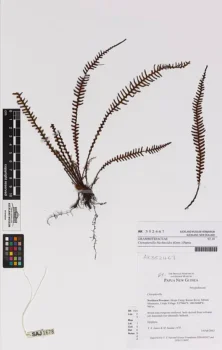
Comb Fern: A Rare Pacific Island Native Worth Knowing About
Meet the comb fern (Ctenopterella blechnoides), one of the Pacific’s best-kept botanical secrets! This little-known fern species might not be sitting on your local nursery shelf, but it’s worth learning about as part of our planet’s incredible fern diversity.
What Exactly is Comb Fern?
Comb fern is a perennial fern species that calls the Pacific Basin home, specifically thriving in the tropical climates of Guam and Palau. You might also see it referenced in older botanical texts under its synonym Ctenopteris blechnoides, as plant names sometimes get shuffled around as scientists learn more about plant relationships.
Like all ferns, comb fern reproduces through spores rather than flowers or seeds, making it quite different from the flowering plants most gardeners are familiar with. This ancient group of plants has been around for millions of years, long before flowers even existed!
Where Does Comb Fern Call Home?
This fern is native to the Pacific Basin, excluding Hawaii, with confirmed populations in Guam and Palau. These tropical islands provide the warm, humid conditions that many Pacific fern species love.
- Species observed
- No observations
Is Comb Fern Beneficial in Gardens?
While detailed information about this particular species is quite limited, ferns in general offer several garden benefits:
- They add lush, green texture to shaded areas where many other plants struggle
- Ferns help create a sense of tranquility and natural woodland feel
- They’re excellent for adding year-round greenery since they’re perennial
- Many ferns are relatively low-maintenance once established
However, since comb fern is native to such a specific and limited geographic area, it’s likely not available in regular garden trade. If you’re interested in ferns for your garden, you’d have better luck with locally native species or well-established non-invasive ferns suited to your climate.
How to Identify Comb Fern
Unfortunately, detailed identifying characteristics for Ctenopterella blechnoides are not well-documented in accessible sources. This highlights just how rare and understudied this particular fern species is. If you’re ever exploring the natural areas of Guam or Palau, you might encounter it, but positive identification would likely require consultation with local botanists or specialized fern guides for the region.
The Bigger Picture
While you probably won’t be planting comb fern in your backyard anytime soon, species like this remind us of the incredible diversity of plant life on our planet. Every ecosystem has its own unique collection of plants that have adapted to local conditions over thousands of years.
If you’re inspired to include ferns in your own landscape, focus on species native to your area or well-behaved non-natives that won’t cause ecological problems. Your local native plant society or extension office can point you toward fern species that will thrive in your specific climate and support local ecosystems.
Sometimes the most fascinating plants are the ones we can’t grow ourselves – they’re treasures worth protecting in their native habitats for future generations to discover and study.