Combleaf Mermaidweed: A Hidden Gem for Water Gardens
If you’re looking to add some native aquatic flair to your water garden or bog, let me introduce you to one of nature’s more understated beauties: combleaf mermaidweed (Proserpinaca pectinata). Don’t let the quirky name fool you – this little perennial forb might just be the perfect addition to your wetland landscape project.
What Makes Combleaf Mermaidweed Special?
Combleaf mermaidweed is a fascinating native perennial that’s perfectly adapted to life in and around water. As a forb, it’s an herbaceous plant without woody stems, but what makes it truly interesting is its ability to thrive in consistently wet conditions where many other plants would simply give up and rot.
This plant is a true North American native, naturally occurring across a impressive range from southeastern Canada down through the eastern and southeastern United States. You’ll find it naturally growing in states from Maine to Florida, and from the Atlantic coast westward to Texas and beyond.
- Species observed
- No observations
The Wetland Specialist
Here’s where things get really interesting – combleaf mermaidweed is what botanists call an obligate wetland plant. In plain English, this means it almost always needs its feet wet to be happy. Across all regions where it naturally occurs, from the Atlantic and Gulf Coastal Plains to the Eastern Mountains and Great Plains, this plant has earned its reputation as a water-lover extraordinaire.
Should You Plant Combleaf Mermaidweed?
The short answer: It depends on what kind of garden you’re creating!
Perfect for:
- Water gardens and pond edges
- Bog gardens and rain gardens
- Wetland restoration projects
- Native plant landscapes near water features
- Areas with consistently moist to wet soil
Not ideal for:
- Traditional perennial borders
- Dry or well-drained garden beds
- Areas that dry out regularly
- Containers (unless specifically designed for aquatic plants)
Growing Conditions and Care
If you’ve got the right wet conditions, combleaf mermaidweed is refreshingly low-maintenance. Here’s what it needs to thrive:
Light Requirements
This adaptable native does well in full sun to partial shade, making it flexible for various garden situations as long as the moisture requirements are met.
Water and Soil
The key to success is consistent moisture – think soggy soil to shallow standing water. If you’re creating a bog garden or have a naturally wet area in your yard, you’re already halfway there.
Climate Considerations
Combleaf mermaidweed is quite cold-hardy and can typically handle USDA hardiness zones 4 through 9, making it suitable for most temperate North American gardens with appropriate moisture conditions.
Aesthetic Appeal and Garden Role
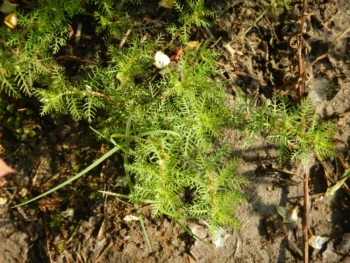
While combleaf mermaidweed won’t win any showiest flower awards, its delicate, finely-divided foliage adds a soft, textural element to water features. The plant produces small, inconspicuous flowers that are primarily wind-pollinated, so don’t expect a major pollinator party – but that’s not really the point with this species.
Think of it as more of a supporting player in your wetland garden cast, providing subtle beauty and important ecological function rather than bold visual impact.
The Bottom Line
Combleaf mermaidweed is definitely a specialist plant for specialist gardens. If you’re working on a water garden, bog garden, or wetland restoration project and want to include native plants that are perfectly adapted to wet conditions, this little forb deserves serious consideration. Its extensive natural range across eastern North America means it’s likely well-suited to your local climate if you’re within its native territory.
Just remember – this isn’t a plant you can pop into any old garden bed. But give it the wet feet it craves, and you’ll have a low-maintenance native that’s doing exactly what nature designed it to do.