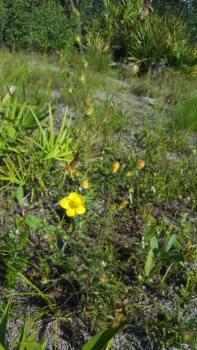
Combleaf Yellow False Foxglove: A Late-Season Native Wildflower Gem
If you’re looking for a native wildflower that brings cheerful yellow blooms to your garden when most other plants are winding down, let me introduce you to the combleaf yellow false foxglove (Aureolaria pectinata). This delightful annual might not be the most well-known native plant, but it’s definitely one worth considering for your naturalized garden or woodland edge.
What Makes This Plant Special
The combleaf yellow false foxglove earns its name from its distinctively divided, feathery leaves that look almost like tiny combs. But the real show-stopper is its bright yellow, tubular flowers that appear in late summer and fall, providing a welcome splash of color when many other plants are past their prime. These cheerful blooms create a lovely contrast against the plant’s delicate, fern-like foliage.
As an annual, this plant completes its entire life cycle in one growing season, which means you’ll get to enjoy the excitement of watching it grow from seed to flower each year.
Where It Calls Home
This native beauty is right at home across much of the southeastern United States. You’ll find wild populations thriving in Alabama, Arkansas, Florida, Georgia, Kentucky, Louisiana, Mississippi, Missouri, North Carolina, Oklahoma, South Carolina, Tennessee, Texas, and Virginia. It’s perfectly adapted to the climate and growing conditions of these regions.
- Species observed
- No observations
Perfect Spots in Your Garden
Combleaf yellow false foxglove isn’t your typical formal garden plant – and that’s exactly what makes it wonderful! It shines brightest in:
- Native plant gardens where you want authentic local flora
- Naturalized woodland edges that mimic wild habitats
- Pollinator gardens that support local wildlife
- Areas where you want low-maintenance, self-sustaining plants
This plant works beautifully as part of a mixed wildflower planting, where its delicate texture and bright flowers can mingle with other native species to create a natural, meadow-like appearance.
Growing Conditions That Make It Happy
One of the best things about this native wildflower is that it’s not particularly fussy about its growing conditions. It adapts well to:
- Light conditions ranging from partial shade to full sun
- Various soil types, as long as they drain reasonably well
- USDA hardiness zones 5-9
Since it’s native to your region (if you live within its natural range), it’s already adapted to your local climate patterns, rainfall, and soil conditions – which means less work for you!
Planting and Care Tips
Growing combleaf yellow false foxglove is refreshingly straightforward. Here’s what you need to know:
- Direct seed in fall for best results – this mimics natural conditions
- Once established, it requires minimal maintenance
- May self-seed if conditions are right, giving you new plants next year
- Water during extremely dry periods, but avoid overwatering
The key is to let this plant do what it does naturally. Since it’s an annual, don’t be concerned when it dies back after flowering – that’s completely normal behavior.
Benefits for Wildlife
Here’s where this little plant really shines – it’s a pollinator magnet! The bright yellow, nectar-rich flowers attract bees, butterflies, and other native pollinators at a time when they’re preparing for winter and need reliable food sources. By planting combleaf yellow false foxglove, you’re directly supporting your local ecosystem.
Is This Plant Right for Your Garden?
Consider adding combleaf yellow false foxglove to your garden if you:
- Want to support native wildlife and pollinators
- Enjoy naturalized, wildflower-style gardens
- Appreciate plants that provide late-season color
- Prefer low-maintenance plants that take care of themselves
- Live within its native range and want authentic local flora
However, this might not be the best choice if you prefer formal, highly controlled garden designs or need plants that maintain their appearance throughout the entire growing season.
The Bottom Line
Combleaf yellow false foxglove may be a humble annual, but it offers something special – a connection to your local ecosystem and a burst of late-season sunshine that both you and local pollinators will appreciate. It’s the kind of plant that reminds us that sometimes the most rewarding garden choices are the ones that work with nature rather than against it.
If you’re ready to embrace a more natural approach to gardening and want to add a cheerful native wildflower to your landscape, give combleaf yellow false foxglove a try. Your local pollinators will thank you!