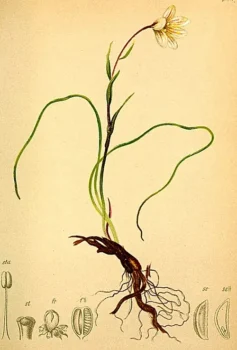
Common Alplily: A Tiny Alpine Treasure for the Adventurous Gardener
If you’re the type of gardener who gets excited about conquering the impossible, meet the common alplily (Lloydia serotina). This diminutive native wildflower is like the mountaineering equivalent of gardening – challenging, rewarding, and definitely not for everyone!
What Exactly is Common Alplily?
Common alplily is a perennial forb that belongs to the lily family. Don’t let the name fool you – there’s nothing common about successfully growing this alpine specialist. This hardy little plant produces delicate white, six-petaled flowers that seem almost impossibly pristine against harsh mountain landscapes.
As a forb, common alplily lacks significant woody tissue and maintains its perennating buds at or below ground surface, helping it survive brutal alpine winters that would make most garden plants wave the white flag of surrender.
Where Does Common Alplily Call Home?
This remarkable native species has quite the impressive range across North America. You’ll find common alplily naturally occurring in Alaska, throughout western and northwestern Canada, and in high-elevation areas across the western United States including:
- Alaska and British Columbia
- Yukon and Northwest Territories
- Colorado, Idaho, Montana, and Wyoming
- Nevada, New Mexico, Oregon, Utah, and Washington
- Species observed
- No observations
Should You Attempt Growing Common Alplily?
Here’s where things get real: common alplily is not your typical garden center purchase. This plant is essentially nature’s way of saying experts only. If you’re dreaming of adding this native beauty to your suburban perennial border, you might want to adjust those expectations.
However, if you’re an experienced alpine gardener with specialized growing conditions, or you’re creating a high-elevation restoration project, common alplily could be an exciting challenge worth pursuing.
The Reality of Growing Conditions
Common alplily doesn’t just prefer challenging conditions – it absolutely requires them. This plant thrives in:
- USDA Hardiness Zones 2-5 (yes, it needs those brutal winters)
- Well-draining, often rocky or gravelly soils
- Cool temperatures and high elevation environments
- Areas with significant snow cover in winter
According to its wetland status, common alplily is classified as Facultative Upland across its range, meaning it typically grows in non-wetland areas but can occasionally tolerate wetter conditions.
What About Wildlife and Pollinators?
While specific pollinator relationships aren’t well-documented for common alplily, alpine plants like this one typically support specialized high-elevation insects and contribute to the complex web of mountain ecosystem relationships. Every native plant plays a role, even if it’s not always obvious to us down-mountain dwellers.
The Bottom Line for Home Gardeners
Unless you live at high elevation with naturally cold, harsh conditions, common alplily probably isn’t the right choice for your garden. This isn’t a failure on your part – it’s simply a plant that evolved for very specific conditions that most gardens can’t replicate.
If you’re passionate about supporting native plants but live outside common alplily’s natural range, consider focusing on native species that are better suited to your local conditions. Your local native plant society can point you toward beautiful alternatives that will thrive in your specific region.
For those brave souls with alpine gardens or appropriate high-elevation conditions: respect this plant’s native status by sourcing any material responsibly and remember that sometimes the best way to appreciate a plant is simply knowing it exists in its natural habitat, doing what it does best.