Common Beargrass: A Striking Native Perennial for Western Gardens
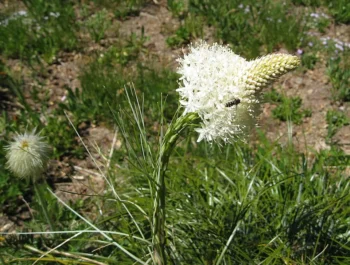
If you’re looking to add some serious architectural drama to your native garden, meet common beargrass (Xerophyllum tenax) – a plant that’s anything but common in the looks department! This remarkable perennial brings a unique grass-like texture topped with spectacular white flower spikes that can tower up to 5 feet tall.
What Makes Common Beargrass Special?
Don’t let the name fool you – common beargrass isn’t actually a grass at all! It’s a perennial forb that forms dense clumps of narrow, evergreen leaves that cascade like a fountain. During summer, it sends up dramatic flower stalks crowned with dense clusters of tiny white blooms that look almost like giant cotton swabs swaying in the breeze.
This native beauty has quite the resume, being indigenous to both Canada and the lower 48 states. You’ll find it naturally growing across the western regions, from Alberta and British Columbia down through California, and across the mountain states including Idaho, Montana, Oregon, Washington, and Wyoming.
- Species observed
- No observations
Why Grow Common Beargrass?
Here’s why this native stunner deserves a spot in your landscape:
- Authentic native appeal: Perfect for creating naturalistic western landscapes
- Pollinator magnet: Summer blooms attract beneficial insects
- Architectural interest: Provides year-round structure with evergreen foliage
- Low maintenance: Once established, it’s quite self-sufficient
- Fire-adapted: High fire tolerance makes it suitable for fire-prone areas
Where Does It Fit in Your Garden?
Common beargrass shines in several landscape roles:
- Wildflower and native plant gardens
- Naturalized meadow areas
- Slope stabilization plantings
- Accent plantings for textural contrast
- Drought-tolerant landscape designs
Its rhizomatous growth habit means it will slowly spread to form attractive colonies, making it excellent for covering larger areas naturally.
Growing Conditions and Care
The good news? Common beargrass isn’t particularly fussy once you understand its preferences:
Soil Requirements:
- Prefers coarse to medium-textured, well-draining soils
- Avoid heavy clay or fine-textured soils
- Tolerates slightly acidic to neutral pH (5.5-7.2)
- Low fertility requirements – don’t overdo the fertilizer!
Sun and Water:
- Thrives in full sun to partial shade
- Medium drought tolerance once established
- Low water needs – perfect for water-wise gardens
- Usually found in upland areas rather than wetlands
Climate Considerations:
- Cold hardy and requires at least 120 frost-free days
- Suitable for USDA zones 4-8
- Adapted to areas receiving 19-69 inches of annual precipitation
Planting and Propagation Tips
Here’s where things get a bit tricky – common beargrass isn’t your typical garden center plant. It’s currently only available through field collections, which means you’ll need to source it from specialized native plant nurseries or collect seeds responsibly from wild populations (where legal and ethical to do so).
Starting from Seed:
- Seeds require cold stratification before planting
- Expect slow germination and low seedling vigor initially
- Be patient – this plant has a slow and steady approach to establishment
- Spring and summer are the active growing periods
Establishment Notes:
- Growth rate is rapid once established, but establishment can take time
- Vegetative spread is slow, so don’t expect instant coverage
- After the first year or two, growth picks up considerably
Seasonal Interest and Wildlife Value
Common beargrass offers multi-season appeal:
- Spring/Summer: Active growth period with impressive flower displays
- Summer/Fall: Seed development (though seed production can be low)
- Year-round: Evergreen foliage provides winter structure
While specific wildlife benefits aren’t well-documented, the summer flowers certainly provide nectar for pollinators, and the dense foliage can offer cover for small wildlife.
Is Common Beargrass Right for You?
Consider common beargrass if you’re creating authentic western native landscapes, need plants for challenging sites with poor soils, or want something truly unique that most neighbors won’t have. It’s especially valuable for gardeners interested in fire-adapted landscaping or slope stabilization.
Keep in mind that this isn’t a plant for instant gratification gardeners – it requires patience during establishment. However, for those willing to wait, common beargrass rewards with years of striking architectural beauty and authentic native character.
The biggest challenge will likely be finding a source, so start your search early with native plant societies, specialized nurseries, or seed exchanges in your region. Once established, you’ll have a conversation-starting centerpiece that celebrates the unique beauty of western North American flora!