Common Butterwort: The Tiny Carnivorous Plant That’s Surprisingly Hardy
Meet one of nature’s most fascinating little predators – the common butterwort (Pinguicula vulgaris). This unassuming perennial might look like just another small wildflower, but it’s actually a carnivorous plant that’s been quietly munching on insects across North America’s wetlands for millennia. If you’re looking to add something truly unique to your garden, this native beauty might just be the conversation starter you’ve been searching for.
What Makes Common Butterwort Special?
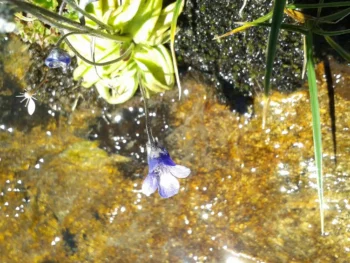
Don’t let the name fool you – common butterwort has nothing to do with butter or your kitchen. This remarkable little forb gets its common name from the greasy, slippery feel of its leaves, which are actually covered in tiny carnivorous glands. The plant forms a small basal rosette of yellowish-green leaves that lie flat against the ground, and in summer, it sends up delicate purple flowers on slender stalks that can reach 2-6 inches tall.
What makes this plant truly special is its carnivorous nature. Those sticky leaves aren’t just for show – they trap and digest small insects like gnats, providing the plant with nutrients in the nutrient-poor soils where it naturally grows.
Where Common Butterwort Calls Home
Common butterwort is impressively widespread for such a specialized plant. It’s native throughout much of northern North America, including Alaska, most Canadian provinces and territories, and several northern U.S. states including Maine, Michigan, Minnesota, New Hampshire, New York, Vermont, and Wisconsin. You’ll also find it native to Greenland and St. Pierre and Miquelon.
- Species observed
- No observations
Perfect for Specialized Garden Settings
While common butterwort might sound like an exciting addition to any garden, it’s definitely not your average perennial. This plant has very specific needs that make it best suited for:
- Bog gardens and carnivorous plant collections
- Wetland restoration projects
- Specialized rock gardens with consistent moisture
- Educational gardens focused on native plants or carnivorous species
Because it’s classified as an obligate wetland plant across all regions where it grows, common butterwort almost always occurs in wetlands and requires these conditions to thrive.
Growing Conditions: Not for Beginners
Here’s where things get challenging. Common butterwort is extremely hardy (thriving in USDA zones 2-7), but it requires very specific growing conditions that can be difficult to replicate in a typical garden setting:
- Soil: Constantly moist to wet, nutrient-poor, and slightly alkaline conditions
- Water: Only distilled water or rainwater – tap water can be harmful
- Light: Full sun to partial shade
- Temperature: Prefers cool conditions, naturally dormant in winter
- Fertilizer: None – this plant gets its nutrients from catching insects
Planting and Care Tips
If you’re determined to grow common butterwort, here’s what you need to know:
- Create a bog garden environment with sphagnum moss and sand
- Ensure the planting area stays consistently wet but not stagnant
- Use only distilled water or collected rainwater for watering
- Never fertilize – the plant’s carnivorous nature means added nutrients can actually harm it
- Allow for natural winter dormancy in colder climates
- Be patient – this is a slow-growing plant that may take time to establish
Benefits for Pollinators and Wildlife
Despite its small size, common butterwort does provide some benefits to garden ecosystems. Its purple summer flowers attract small pollinators, particularly flies and tiny bees. While it may catch some beneficial insects, it primarily feeds on pest species like gnats and small flies, making it a natural form of pest control in wet areas.
Is Common Butterwort Right for Your Garden?
Common butterwort is definitely not a plant for everyone, but it could be perfect if you:
- Have experience with carnivorous plants or are eager to learn
- Already have or want to create a bog garden
- Love unique, conversation-starting plants
- Are interested in native plant conservation
- Want to create educational opportunities about carnivorous plants
However, you might want to pass if you’re looking for a low-maintenance perennial for traditional garden beds, as this specialized plant requires very specific conditions that can be challenging to maintain.
Common butterwort proves that sometimes the most interesting plants are the ones that challenge us to think differently about gardening. While it may not be the easiest native plant to grow, for the right gardener with the right conditions, it offers a unique opportunity to cultivate one of nature’s most fascinating little predators right in your backyard.