Common Buttonbush: The Perfect Native Shrub for Wet Spots
If you’ve got a soggy spot in your yard that seems impossible to landscape, meet your new best friend: the common buttonbush (Cephalanthus occidentalis). This delightful native shrub doesn’t just tolerate wet conditions – it absolutely thrives in them! With its quirky spherical white flowers that look like fuzzy ping-pong balls and its impressive wildlife value, buttonbush deserves a spot in every water-wise garden.
A True North American Native
Common buttonbush is as American as apple pie, naturally occurring across an impressive range that spans from southern Canada all the way down to Florida and west to California. You’ll find this adaptable shrub growing wild in 43 states plus several Canadian provinces, making it one of our most widely distributed native wetland plants.
- Species observed
- No observations
As an obligate wetland plant across all regions where it grows, buttonbush almost always occurs in naturally wet areas like swamps, marshes, pond edges, and stream banks. This wetland status makes it an invaluable tool for gardeners dealing with challenging wet sites.
What Makes Buttonbush Special?
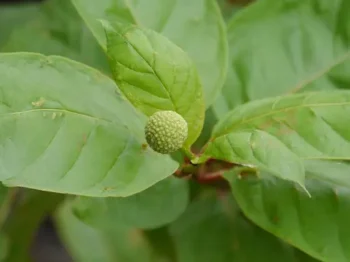
The most striking feature of common buttonbush has to be its unique flowers. These perfectly spherical white clusters bloom in summer and look exactly like their name suggests – fuzzy white buttons! The flowers are incredibly conspicuous and create quite a show when the shrub is in full bloom.
This perennial shrub typically grows as a multi-stemmed plant reaching about 15 feet tall and wide at maturity. With a moderate growth rate, it won’t overwhelm your space quickly, but it will steadily fill in to create a substantial presence in your landscape. The green foliage provides a nice backdrop for those show-stopping flowers, and the overall growth form is upright and well-behaved.
Perfect for Challenging Garden Spots
Common buttonbush shines in several landscape situations:
- Rain gardens – Its high moisture requirements make it perfect for capturing runoff
- Pond and water feature edges – Naturally occurs in these conditions
- Wet, boggy areas – Thrives where other shrubs fail
- Wildlife gardens – Provides food and habitat for various species
- Naturalistic landscapes – Fits perfectly in native plant communities
Growing Conditions and Care
The beauty of buttonbush lies in its adaptability and low maintenance requirements. Here’s what this easy-going native prefers:
Soil: Extremely flexible! It adapts to coarse, medium, and fine-textured soils with pH ranging from quite acidic (4.7) to somewhat alkaline (8.6). The key requirement is consistent moisture – this plant has high moisture needs and high tolerance for waterlogged conditions.
Light: While it’s shade tolerant, buttonbush performs best in full sun to partial shade locations.
Hardiness: Hardy in USDA zones 5-10, tolerating temperatures as low as -33°F.
Water: High moisture use means you’ll want to plant it in naturally wet areas or be prepared to provide supplemental irrigation in drier spots.
Planting and Maintenance Tips
Getting buttonbush established is straightforward:
- Plant in spring after the last frost date
- Choose the wettest spot in your yard – seriously!
- Space plants 6-10 feet apart (you can fit 1,746-2,700 plants per acre if you’re doing a large installation)
- Water thoroughly after planting, then let nature take over in wet sites
- Minimal fertilizer needed – this shrub has low fertility requirements
- Pruning is optional; the plant has good natural form
Once established, buttonbush is remarkably low-maintenance. It has good resprout ability if damaged and moderate drought tolerance (though it definitely prefers consistent moisture).
Wildlife and Pollinator Benefits
While buttonbush may not be a primary food source for large wildlife (providing only 2-5% of diet for large animals, small mammals, and water birds), its summer blooms are pollinator magnets. Bees, butterflies, and other beneficial insects flock to the nectar-rich flowers, making your garden a hub of beneficial activity.
The seeds persist into fall, providing some food value for birds, and the dense growth habit offers cover for various wildlife species.
Propagation Options
If you fall in love with buttonbush (and who wouldn’t?), you’ll be happy to know it’s readily available from native plant nurseries and propagates easily through several methods:
- Seeds (about 134,000 per pound!) with high seedling vigor
- Cuttings root easily
- Bare root and container plants are routinely available
The Bottom Line
Common buttonbush is a gardener’s dream plant for wet sites. It’s native across most of North America, requires minimal care once established, produces unique and attractive flowers, supports pollinators, and actually thrives in conditions where many other plants struggle. If you’ve got a wet spot that needs landscaping love, or if you’re creating a rain garden or wildlife habitat, buttonbush should be at the top of your planting list.
This is one native plant that proves you don’t have to sacrifice beauty for function – buttonbush delivers both in spades!