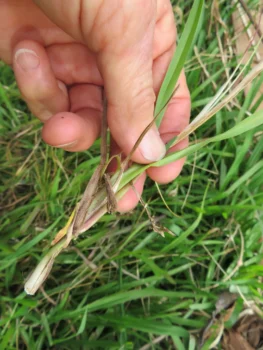
Common Carpetgrass: A Low-Maintenance Native Ground Cover for Southern Gardens
If you’re looking for a tough, no-fuss ground cover that can handle foot traffic and neglect with equal grace, common carpetgrass (Axonopus fissifolius) might just be your new best friend. Also known as narrowleaved carpetgrass, this perennial grass has been quietly doing the heavy lifting in Southern landscapes for generations, forming dense, carpet-like mats that live up to its name.
What Is Common Carpetgrass?
Common carpetgrass is a warm-season perennial grass that spreads by stolons (above-ground runners) to create a thick, low-growing carpet of fine-textured foliage. While it may not win any beauty contests against manicured cool-season lawns, it makes up for it with sheer determination and adaptability. This grass knows how to survive and thrive where others might throw in the towel.
Where Does It Naturally Grow?
This resilient grass is native to the southeastern United States and Puerto Rico, making it a true regional champion. You’ll find it naturally occurring across a wide swath of the South, including Alabama, Arkansas, Florida, Georgia, Louisiana, Mississippi, North Carolina, Oklahoma, South Carolina, Texas, and Virginia. It has also naturalized in California and Hawaii, where it arrived as an introduction but now reproduces spontaneously in the wild.
- Species observed
- No observations
The Pros and Cons of Growing Common Carpetgrass
Why You Might Want to Plant It:
- Extremely low maintenance once established
- Native to much of the southeastern U.S., supporting local ecosystems
- Excellent drought tolerance
- Handles foot traffic reasonably well
- Thrives in poor soils where other grasses struggle
- Provides erosion control on slopes
- Grows in USDA hardiness zones 8-11
Why You Might Think Twice:
- Goes dormant and turns brown in winter
- Not as lush or green as high-maintenance lawn grasses
- Can be slow to establish initially
- May not satisfy those seeking a perfect lawn aesthetic
Growing Conditions and Care
Common carpetgrass is refreshingly undemanding. It adapts to various moisture conditions, from wetlands to uplands, though its preferences vary by region. In coastal areas, it typically favors wetter conditions, while in more inland or mountainous regions, it’s equally happy in drier spots.
This grass performs best in full sun but tolerates partial shade. It’s not particularly picky about soil type and will grow in everything from sandy soils to heavier clay. Once established, it requires minimal watering, making it an excellent choice for water-wise landscapes.
Planting and Maintenance Tips
The easiest way to establish common carpetgrass is through plugs or sprigs, as it spreads naturally via stolons. Plant in late spring or early summer when soil temperatures are consistently warm. Space plugs about 6-12 inches apart – patience is key, as it may take a full growing season to fill in completely.
Maintenance is blissfully simple:
- Mow occasionally to keep it looking tidy (though it’s naturally low-growing)
- Water during establishment, then let nature take over
- Fertilize sparingly – this grass actually prefers lean conditions
- Enjoy the fact that it rarely needs pest or disease treatment
Landscape Uses
Common carpetgrass shines in naturalized areas, low-traffic lawns, and anywhere you need reliable ground cover without the fuss. It’s particularly valuable for erosion control on slopes and works well in cottage gardens or informal landscape designs. While it won’t give you that country club look, it will give you a functional, eco-friendly ground cover that supports local wildlife and requires minimal inputs.
The Bottom Line
If you’re gardening in the Southeast and want a native grass that won’t demand your weekends, common carpetgrass deserves serious consideration. It may not be flashy, but sometimes the best garden performers are the quiet, dependable ones that just keep doing their job year after year. For those outside its native range, consider exploring native grass alternatives that will provide similar benefits while supporting your local ecosystem.