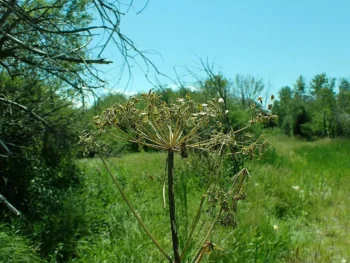
Common Cowparsnip: A Bold Native Beauty for Your Garden
Looking for a plant that makes a statement? Meet common cowparsnip (Heracleum maximum), a towering native perennial that’s like the gentle giant of the plant world. This impressive forb can transform any garden space with its dramatic presence and wildlife-friendly blooms.
What Makes Common Cowparsnip Special?
Common cowparsnip is a true North American native, naturally occurring across an impressive range from Alaska and Canada down through most of the lower 48 states. You might also see it listed under its synonyms Heracleum lanatum or various Heracleum sphondylium varieties, but they’re all referring to this same spectacular plant.
This perennial forb is found growing wild in states and provinces including Alberta, British Columbia, Alaska, Arizona, California, Colorado, Maine, Michigan, Montana, Oregon, Washington, and many others – spanning from coast to coast and border to border.
- Species observed
- No observations
Garden Appeal and Design Role
When we say common cowparsnip makes a statement, we mean it! This plant can reach up to 8 feet tall with a moderate growth rate, featuring coarse-textured green foliage that creates dramatic backdrop plantings. The real showstopper comes in early summer when it produces large, conspicuous white flower clusters that look like giant umbrellas.
In garden design, common cowparsnip works beautifully as:
- A specimen plant in naturalized landscapes
- Back-of-border plantings in cottage gardens
- Focal points in wildlife habitat gardens
- Natural screens or privacy plantings
- Rain garden centerpieces
Wildlife and Pollinator Benefits
Those impressive white flower umbels aren’t just pretty to look at – they’re pollinator magnets! The large, flat-topped flower clusters provide easy landing platforms for bees, beneficial flies, and other pollinators. The plant produces abundant seeds that can provide food for wildlife, and its substantial foliage offers shelter for various creatures.
Growing Conditions and Care
One of the best things about common cowparsnip is its adaptability. This hardy plant thrives in USDA zones 3-8 and can handle quite a range of conditions:
Soil: Adaptable to coarse, medium, and fine-textured soils with a pH between 5.4 and 7.3
Moisture: Prefers consistently moist conditions (it’s a high moisture user), making it perfect for rain gardens or naturally wet areas
Sun/Shade: Performs best in full sun but is intolerant of heavy shade
Climate: Cold hardy down to -38°F and needs at least 110 frost-free days
Wetland Versatility
Common cowparsnip’s relationship with water varies by region, making it incredibly versatile:
- In Alaska: Usually grows in upland areas but can tolerate wetlands
- In the Arid West and Midwest: Typically found in wetland areas
- In most other regions: Equally happy in wet or dry conditions
Planting and Propagation Tips
Getting common cowparsnip established is straightforward:
From Seed: This is the preferred method! Seeds are routinely available commercially, with about 47,569 seeds per pound. The plant spreads rapidly by seed and has medium seedling vigor.
Timing: Plant seeds in spring when soil can be worked. No cold stratification required.
Spacing: Give these plants room to grow – they’ll reach their full 8-foot potential with adequate space.
Establishment: While the plant has slow regrowth after harvesting, it establishes well and has a moderate vegetative spread rate.
Important Considerations
Before you fall completely in love with common cowparsnip, there are a few things to keep in mind:
Size Matters: At 8 feet tall with coarse foliage, this isn’t a plant for small spaces or formal gardens.
Self-Seeding: It produces abundant seeds and spreads readily, so be prepared for baby plants to appear.
Slight Toxicity: Like many plants in the carrot family, common cowparsnip has slight toxicity, so plant it away from areas where children or pets might nibble.
Short Lifespan: Individual plants have a relatively short lifespan, but the self-seeding habit ensures continuity.
Is Common Cowparsnip Right for Your Garden?
Common cowparsnip is perfect if you’re looking to create a naturalized landscape, support native wildlife, or add dramatic height and texture to your garden. It’s especially valuable in rain gardens, cottage-style plantings, or anywhere you want to showcase native North American plants.
However, it might not be the best choice for small spaces, formal gardens, or areas where you need tidy, contained growth. The plant’s impressive size and self-seeding nature make it better suited for gardeners who embrace a more natural, less controlled aesthetic.
With its native status across most of North America, excellent pollinator value, and striking architectural presence, common cowparsnip offers a wonderful way to bring wild beauty into your garden while supporting local ecosystems. Just give it space to shine, keep it well-watered, and enjoy watching this gentle giant transform your landscape!