Common Duckweed: The Tiny Water Plant That Packs a Big Punch
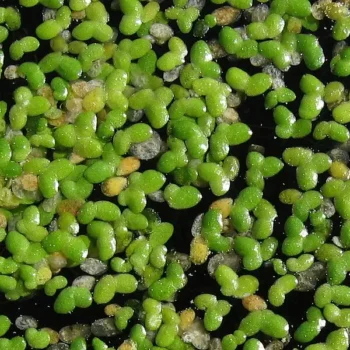
If you’ve ever gazed at a pond and noticed what looks like a green carpet floating on the surface, chances are you’ve encountered common duckweed (Lemna minor). This diminutive aquatic plant might be small in stature, but it’s big on both benefits and, well, let’s just say it has some strong opinions about personal space in your water garden!
What Exactly Is Common Duckweed?
Common duckweed is a perennial aquatic plant that’s as native to North America as apple pie – though it’s been around much longer. This little forb (that’s a fancy way of saying a soft-stemmed plant) floats freely on water surfaces, creating dense mats of tiny, bright green leaves. Don’t expect any showy blooms – duckweed keeps things simple with inconspicuous green flowers that most people never even notice.
You might also see it listed under its synonyms Lemna cyclostasa or Lemna minima in older gardening references, but common duckweed is the name that’s stuck.
Where Does It Call Home?
Talk about a well-traveled native! Common duckweed has made itself at home across virtually all of North America, from Alaska down to Florida, and from coast to coast. Whether you’re in Alabama or Wyoming, British Columbia or Quebec, there’s a good chance this little plant is already living somewhere near you. It’s found in all lower 48 states, Alaska, and several Canadian provinces.
- Species observed
- No observations
The Good, The Bad, and The Rapidly Spreading
Let’s start with the good news – and there’s plenty of it! Common duckweed is like nature’s water filter, helping to clean pond water by absorbing nutrients that would otherwise feed less desirable algae. It’s also incredibly hardy, tolerating pH levels from quite acidic (4.1) to fairly alkaline (8.8), and it can handle temperatures down to -38°F.
The plant has an Obligate Wetland status across all regions, which means it’s a true water baby that almost always occurs in wetlands. This makes it perfect for anyone looking to create authentic wetland habitat in their garden.
Now for the but – and it’s a big one. Common duckweed grows fast. Really, really fast. With a rapid growth rate and the ability to spread vegetatively at lightning speed, this plant can go from charming pond accent to green carpet that’s taken over my entire water feature faster than you can say aquatic gardening mistake.
Is It Right for Your Garden?
Common duckweed is perfect for:
- Natural pond systems where you want authentic native plant coverage
- Wildlife ponds (though specific wildlife benefits aren’t well documented, waterfowl often use it)
- Water gardens where you need natural filtration
- Large water features where rapid spread isn’t a concern
Think twice if you have:
- Small decorative ponds where you want to see the water surface
- Formal water features
- Fish ponds where complete coverage might reduce oxygen levels
Growing Conditions and Care
Here’s the beautiful thing about duckweed – it’s almost impossible to kill once it gets going. This plant thrives in USDA hardiness zones 3-11, needs high moisture (obviously, since it lives in water), and requires medium fertility levels.
The growing requirements are refreshingly simple:
- Still or slow-moving water
- Full sun to partial shade (though it’s listed as shade intolerant, it can handle some shade)
- Water temperatures above freezing during growing season
- Neutral to slightly alkaline water works best
Planting and Propagation
Planting duckweed is almost laughably easy – you literally just put it in the water. It’s routinely available commercially and can be propagated both by seed and by sprigs (pieces of the plant). The plant has high seedling vigor and rapid seed spread, so once you introduce it, nature takes care of the rest.
Summer is its active growing period, and that’s when you’ll see the most rapid expansion.
The Bottom Line
Common duckweed is like that enthusiastic friend who’s great to have around but tends to take over the conversation. If you want an authentic native water plant that provides natural filtration and creates habitat, it’s hard to beat. Just be prepared to manage its enthusiasm with regular harvesting if you don’t want it to completely dominate your water feature.
For gardeners looking to create natural, low-maintenance wetland environments, common duckweed can be a valuable addition. Just remember – with great duckweed comes great responsibility (to keep it in check)!