Common Hawkweed: A Hardy Perennial for Naturalized Gardens
If you’re looking for a low-maintenance perennial that can handle tough growing conditions, common hawkweed (Hieracium lachenalii) might catch your eye. This cheerful yellow-flowered plant has made itself at home across much of North America, though it originally hails from much farther north.
What is Common Hawkweed?
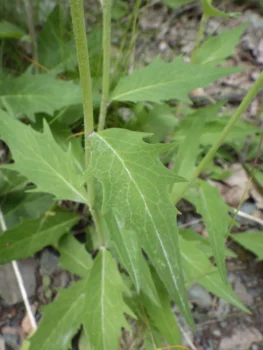
Common hawkweed is a hardy perennial forb that belongs to the sunflower family. Like other hawkweeds, it produces bright yellow, dandelion-like flowers that bloom from summer into early fall. The plant forms attractive basal rosettes of hairy, lance-shaped leaves that stay close to the ground for most of the growing season.
You might also see this plant listed under its synonyms Hieracium acuminatum or Hieracium vulgatum in older gardening references.
Native Status and Geographic Distribution
Here’s where things get interesting with common hawkweed’s backstory. This plant is truly native to Canada and Greenland, where it thrives in the cooler northern climates. However, it has naturalized throughout much of the northern United States, where it now reproduces and persists on its own.
You’ll find common hawkweed growing in these areas:
- Canadian provinces: British Columbia, New Brunswick, Nova Scotia, Ontario, Prince Edward Island, Quebec, Labrador, and Newfoundland
- US states: Connecticut, Delaware, Maine, Massachusetts, Michigan, Minnesota, New Hampshire, New Jersey, New York, Oregon, Pennsylvania, Rhode Island, Vermont, Washington, and Wisconsin
- Species observed
- No observations
Should You Plant Common Hawkweed?
The decision to plant common hawkweed depends on your gardening goals and location. Since it’s not native to the lower 48 states, you might want to consider native alternatives first. However, if you’re in an area where it’s already established and you’re looking for a tough, low-maintenance groundcover, it could work for you.
Consider common hawkweed if you want:
- A plant that thrives in poor soils
- Something that requires minimal care once established
- Extended summer color in naturalized areas
- Pollinator support for bees and butterflies
However, keep in mind that hawkweeds can spread both by underground runners and seeds, so they may pop up in areas where you don’t want them.
Garden Design and Landscape Role
Common hawkweed works best in informal, naturalized settings rather than formal garden beds. It’s perfect for:
- Wildflower meadows and prairie gardens
- Rock gardens and slopes
- Cottage-style gardens
- Areas with poor or challenging soil conditions
The plant typically stays under a foot tall during most of the growing season, making it an excellent groundcover choice for larger areas.
Growing Conditions and Care
One of common hawkweed’s best qualities is its adaptability. This tough little plant can handle a wide range of growing conditions, making it nearly foolproof for beginning gardeners.
Preferred conditions:
- USDA Hardiness Zones: 3-8
- Light: Full sun to partial shade
- Soil: Well-drained, tolerates poor soils
- Water: Drought tolerant once established
Planting and Care Tips
Growing common hawkweed is refreshingly straightforward. Here are the basics:
- Plant in spring after the last frost
- Space plants about 12 inches apart
- Water regularly during the first growing season to help establish roots
- Once established, the plants are quite drought tolerant
- Deadhead spent flowers if you want to prevent self-seeding
- Divide clumps every few years if they become overcrowded
Wildlife and Pollinator Benefits
Common hawkweed’s bright yellow flowers are magnets for various pollinators, including bees, butterflies, and beneficial insects. The extended blooming period provides nectar when many other flowers have finished for the season.
Native Alternatives to Consider
If you’re interested in supporting native ecosystems, consider these native alternatives that offer similar benefits:
- Wild bergamot (Monarda fistulosa)
- Black-eyed Susan (Rudbeckia species)
- Native asters (Symphyotrichum species)
- Goldenrod (Solidago species)
The Bottom Line
Common hawkweed is a resilient, easy-care perennial that can add cheerful yellow blooms to challenging garden spots. While it’s not native to most of the US, it’s not considered problematic either. If you choose to grow it, you’ll have a reliable performer that asks for very little in return. Just remember to keep an eye on its spreading habit and consider native alternatives that might provide even greater benefits to local wildlife.