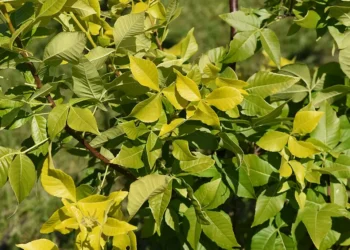
Common Hoptree: A Hidden Gem for Native Plant Enthusiasts
Meet the common hoptree (Ptelea trifoliata), a delightfully underappreciated native that deserves a spot in more American gardens. This small tree might not win any beauty pageants at first glance, but don’t let its modest appearance fool you – it’s packed with ecological benefits and subtle charms that make it a fantastic choice for gardeners who want to support local wildlife while enjoying a low-maintenance landscape.
What Exactly Is a Common Hoptree?
The common hoptree is a perennial, multi-stemmed shrub or small tree that typically grows to about 25 feet tall at maturity, though it usually stays closer to 13-16 feet in most garden settings. Despite its name, it’s not actually related to the hops used in beer brewing – the hop refers to its papery, circular seed pods that somewhat resemble hop flowers.
This native beauty is perfectly at home across a huge swath of North America, naturally growing in states from Maine to Florida and west to Utah and New Mexico, plus parts of Canada including Ontario and Quebec. It’s truly a continental native, adapted to an impressive range of climates and conditions.
- Species observed
- No observations
Why Your Garden (and Local Wildlife) Will Love It
Here’s where the common hoptree really shines – it’s a pollinator powerhouse and wildlife magnet. The small, greenish-white flower clusters that appear in early summer might not stop traffic, but they’re absolute bee magnets. More exciting for butterfly enthusiasts, this tree serves as the primary host plant for giant swallowtail butterfly caterpillars. Plant a hoptree, and you’re essentially rolling out the red carpet for these stunning butterflies.
The tree’s aesthetic appeal is subtle but rewarding. Its compound leaves (made up of three leaflets) provide a lovely medium-textured foliage that turns a pleasant color in fall. The real showstopper comes after flowering, when the tree produces clusters of papery, circular seed pods that rustle musically in autumn breezes – nature’s own wind chimes!
Perfect Spots for Your Hoptree
Common hoptrees are wonderfully versatile when it comes to garden placement. They excel as:
- Understory trees in woodland gardens
- Natural privacy screens (they can handle some pruning)
- Wildlife habitat focal points
- Native plant garden specimens
- Naturalistic landscape elements
This adaptable native works beautifully in USDA hardiness zones 3-9, making it suitable for most of the continental United States and southern Canada.
Growing Conditions and Care
One of the best things about common hoptrees? They’re refreshingly undemanding. Here’s what they prefer:
Soil: They’re quite flexible, tolerating both coarse and medium-textured soils with pH ranging from acidic (4.8) to neutral (7.0). They’re not fans of heavy clay but will adapt to most garden soils with decent drainage.
Water: Moderate moisture needs, though they can handle some drought once established. They’re not suitable for consistently wet areas – stick to well-drained spots.
Light: Intermediate shade tolerance means they’re perfect for those tricky spots that get partial sun. They’ll grow in full sun too but appreciate some afternoon protection in hotter climates.
Growth rate: Patience is a virtue with hoptrees – they’re slow growers, reaching about 20 feet in 20 years. But good things come to those who wait!
Planting and Care Tips
Getting your hoptree off to a good start is straightforward:
- Plant in spring after the last frost
- Choose a spot with good drainage – they don’t like wet feet
- Space trees 6-10 feet apart if planting multiple specimens
- Water regularly the first year, then they’re quite drought-tolerant
- Mulch around the base to retain moisture and suppress weeds
- Minimal pruning needed – just remove any dead or crossing branches
A Few Things to Keep in Mind
While common hoptrees are generally trouble-free, there are a few considerations:
They have low fire tolerance, so avoid planting in fire-prone areas. The trees also prefer areas with at least 165 frost-free days, making them less suitable for the coldest northern regions. Commercial availability can be limited – you might need to seek out native plant nurseries or specialty suppliers.
The Bottom Line
If you’re looking for a native tree that supports wildlife, requires minimal care, and adds subtle beauty to your landscape, the common hoptree deserves serious consideration. It might not be the flashiest plant in the garden center, but it’s exactly the kind of unsung hero that makes native gardening so rewarding. Your local pollinators and butterfly populations will definitely thank you for planting one!