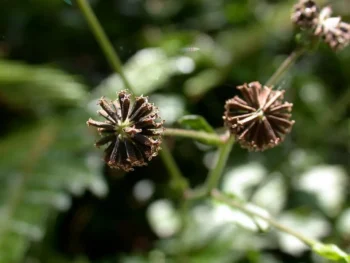
Common Medicineplant: A Humble Native Gem for Pacific Island Gardens
If you’re looking for an unassuming but authentic addition to your Hawaiian or Pacific island garden, meet the common medicineplant (Adenostemma lavenia). This modest perennial herb might not win any beauty contests, but it brings something special to the table: genuine native credentials and a low-maintenance personality that’s hard to beat.
What Exactly is Common Medicineplant?
Known locally as beraber in Palau, Adenostemma lavenia is a native perennial forb that’s been quietly thriving across the Pacific Basin for centuries. As a forb, it’s essentially a soft-stemmed plant without woody tissue—think of it as nature’s version of a reliable, unpretentious groundcover that knows its place in the ecosystem.
You might also encounter this plant under its old scientific names, including Adenostemma viscosum or Verbesina lavenia, but don’t let the botanical name-switching fool you—it’s the same trustworthy native plant.
Where Does It Call Home?
This Pacific native has made itself comfortable across Hawaii, Guam, and Palau, with its range extending throughout much of the Pacific Basin. It’s one of those plants that truly belongs in these island ecosystems, having evolved alongside the local wildlife and environmental conditions.
- Species observed
- No observations
Why Consider Growing Common Medicineplant?
Let’s be honest—common medicineplant won’t stop traffic with its looks. It produces small, white composite flowers arranged in modest clusters, and its green foliage is pleasantly ordinary. But here’s where it shines:
- Authentic native choice: Supporting local ecosystems never goes out of style
- Wetland tolerance: Perfect for those soggy spots in your garden where other plants struggle
- Low maintenance: Once established, it pretty much takes care of itself
- Pollinator friendly: Those small flowers attract beneficial insects
- Ground coverage: Naturally spreads to fill in bare areas
Where Does It Fit in Your Garden?
Common medicineplant works best in naturalistic settings where you want that native Hawaiian forest floor vibe. It’s particularly valuable for:
- Wetland restoration projects
- Native plant gardens
- Naturalized areas under taller native plants
- Rain gardens or consistently moist areas
- Groundcover in partial shade locations
Growing Conditions and Care
If you’re in USDA zones 10-12 (basically, if you live where it never freezes), you can successfully grow common medicineplant. Here’s what it needs to thrive:
Light: Partial shade to full sun, though it appreciates some protection during the hottest part of the day
Water: This plant loves consistent moisture. Its facultative wetland status means it’s happiest in wet conditions but can handle occasional dry spells once established.
Soil: Not particularly fussy, but prefers soils that retain moisture well
Planting and Care Tips
The beauty of common medicineplant lies in its simplicity:
- Planting: Best established during the rainy season when natural moisture helps it settle in
- Spacing: Allow room for natural spreading—it will fill in gaps over time
- Maintenance: Minimal once established; occasional weeding around young plants
- Watering: Regular watering until established, then natural rainfall usually suffices in appropriate climates
The Bottom Line
Common medicineplant might not be the showstopper of your garden, but it’s the kind of steady, reliable native that forms the backbone of healthy island ecosystems. If you’re creating a native Hawaiian garden, restoring wetland areas, or simply want a low-maintenance groundcover with authentic local credentials, this humble herb deserves a spot on your plant list.
Just remember: while it’s not flashy, it’s doing important ecological work behind the scenes, supporting pollinators and maintaining the natural character of Pacific island landscapes. Sometimes the most valuable garden residents are the ones that blend in rather than stand out.