Common Milkweed: The Monarch Butterfly’s Best Friend in Your Garden
If you’ve ever dreamed of having clouds of monarch butterflies dancing through your garden, then common milkweed (Asclepias syriaca) might just be your new best friend. This unassuming native perennial is like a five-star hotel for monarchs – they simply can’t resist it, and honestly, who can blame them?
What Exactly is Common Milkweed?
Common milkweed is a sturdy perennial that’s been calling North America home long before any of us showed up with our garden spades. Standing tall at 3-6 feet with a spread of 2-3 feet, this plant has a somewhat wild appearance that might make your neighbors wonder if you’ve given up on gardening altogether. But trust us – there’s method to this madness.
Where Does This Beauty Come From?
This native gem naturally occurs across a huge swath of North America, including Canada and most of the lower 48 states. You’ll find it growing wild from Alabama all the way up to Manitoba, and from the Atlantic coast to the Great Plains. It’s quite the traveler, having established itself in states like Alabama, Arkansas, Connecticut, Delaware, Georgia, Illinois, Indiana, Iowa, Kansas, Kentucky, Louisiana, Maine, Maryland, Massachusetts, Michigan, Minnesota, Mississippi, Missouri, Montana, Nebraska, New Hampshire, New Jersey, New York, North Carolina, North Dakota, Ohio, Oklahoma, Oregon, Pennsylvania, Rhode Island, South Carolina, South Dakota, Tennessee, Texas, Vermont, Virginia, West Virginia, and Wisconsin, plus several Canadian provinces.
- Species observed
- No observations
Why Your Garden (and the Monarchs) Need This Plant
Here’s where common milkweed really shines: it’s absolutely essential for monarch butterflies. These orange beauties can only lay their eggs on milkweed plants, and the caterpillars can only survive by munching on milkweed leaves. No milkweed = no monarchs. It’s that simple.
But monarchs aren’t the only ones throwing a party when milkweed blooms. The fragrant clusters of pink to purplish flowers (blooming from June to August) attract a whole parade of pollinators including:
- Bees of various species
- Butterflies beyond just monarchs
- Hummingbirds occasionally
- Beneficial insects galore
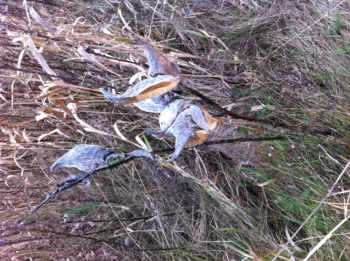
And let’s talk about those seed pods – they’re like nature’s own fireworks show. In fall, the pods split open dramatically, releasing hundreds of seeds attached to silky white floss that dances on the wind. Kids (and let’s be honest, adults too) love watching this natural spectacle.
The Perfect Spots for Common Milkweed
Common milkweed is happiest in:
- Prairie gardens and naturalized landscapes
- Wildflower meadows
- Pollinator gardens
- Wildlife habitat areas
- Areas where you want a more wild look
It’s particularly well-suited for USDA hardiness zones 3-9, so most of us can grow it successfully.
Growing Conditions: What Makes This Plant Happy
The good news? Common milkweed is pretty easygoing. It thrives in full sun and isn’t particularly picky about soil types – clay, loam, sandy soil – it’ll take what you’ve got. The plant prefers well-draining soil but can handle some moisture variation. Once established, it’s quite drought tolerant, making it perfect for those of us who sometimes forget to water.
According to wetland classifications, common milkweed typically grows in upland areas rather than wetlands, though it can occasionally tolerate some moisture in certain regions.
Planting and Care: Easier Than You Think
Getting common milkweed started in your garden is refreshingly straightforward:
Starting from Seed
- Plant seeds in fall for natural cold stratification
- Or cold stratify seeds in the refrigerator for 30 days before spring planting
- Scatter seeds on prepared soil surface – they need light to germinate
- Keep soil moist until germination (usually 1-3 weeks)
Ongoing Care
- Water regularly the first year to help establish roots
- After that, minimal watering needed
- No fertilization required (native plants prefer lean soil)
- Deadhead flowers if you don’t want seeds spreading
- Cut back in late fall or early spring
A Word of Caution (The Fine Print)
Common milkweed does have a few quirks worth mentioning:
- It spreads via underground rhizomes, so it can form colonies over time
- The milky sap can be irritating to skin and eyes
- All parts of the plant are toxic if ingested (though this protects it from most garden pests)
- It might look weedy to neighbors used to formal gardens
The Bottom Line
If you want to make a real difference for struggling monarch populations while creating a garden that buzzes with life, common milkweed deserves a spot in your landscape. Yes, it’s got a wild appearance and yes, it might spread more than you initially planned. But when you see your first monarch caterpillar munching happily on the leaves, or watch a cloud of seeds dancing on an autumn breeze, you’ll understand why this humble native plant has captured the hearts of gardeners across the continent.
Sometimes the most important plants aren’t the prettiest ones – they’re the ones that keep our ecosystem humming along. Common milkweed is definitely one of those unsung heroes.