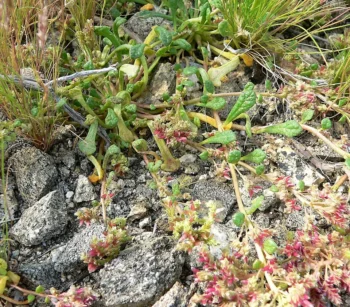
Common Pussypaws: A Charming Desert Native for Water-Wise Gardens
If you’re looking for a delicate yet resilient native plant that thrives in dry conditions, common pussypaws (Cistanthe monandra) might just be the perfect addition to your water-wise garden. This understated annual brings subtle beauty to challenging growing conditions while supporting local ecosystems.
What is Common Pussypaws?
Common pussypaws is an annual forb native to the southwestern United States. As a forb, it’s a non-woody herbaceous plant that completes its entire life cycle in one growing season. Don’t let its delicate appearance fool you – this little plant is surprisingly tough and well-adapted to harsh desert conditions.
You might also encounter this plant listed under its former scientific name, Calyptridium monandrum, though Cistanthe monandra is the currently accepted botanical name.
Where Does Common Pussypaws Grow Naturally?
This native beauty calls the American Southwest home, naturally occurring across Arizona, California, Nevada, New Mexico, and Utah. It’s perfectly adapted to the challenging conditions of these regions, from desert flats to rocky slopes.
- Species observed
- No observations
Why Grow Common Pussypaws in Your Garden?
There are several compelling reasons to consider adding common pussypaws to your landscape:
- Water-wise choice: Once established, this drought-tolerant native requires minimal supplemental watering
- Native plant benefits: Supports local ecosystems and wildlife that evolved alongside it
- Pollinator friendly: Small flowers attract tiny native bees and other beneficial insects
- Low maintenance: Perfect for gardeners who want beauty without the fuss
- Self-seeding: Will naturalize in appropriate conditions, creating drifts over time
Garden Design and Landscape Uses
Common pussypaws excels in several garden settings:
- Rock gardens: Its small stature and drought tolerance make it ideal for tucking between stones
- Xeriscapes: A natural choice for water-conserving landscape designs
- Desert gardens: Complements other southwestern natives beautifully
- Wildflower meadows: Adds delicate texture to naturalized plantings
- Ground cover: Forms low carpets in suitable conditions
Growing Conditions and Care
Success with common pussypaws comes from mimicking its natural habitat:
- Sunlight: Full sun is essential for healthy growth and flowering
- Soil: Well-draining sandy or rocky soils work best – avoid heavy clay or constantly moist conditions
- Water: Drought tolerant once established; avoid overwatering which can cause problems
- USDA Hardiness Zones: Suitable for zones 4-9
Planting and Care Tips
Growing common pussypaws successfully is all about timing and conditions:
- Seeding: Direct sow seeds in fall for spring germination – this mimics natural conditions
- Soil preparation: Ensure excellent drainage; amend heavy soils with sand or gravel if needed
- Watering: Water lightly during germination, then reduce frequency as plants establish
- Maintenance: Minimal care required once established – let plants self-seed for natural colonies
The Bottom Line
Common pussypaws is an excellent choice for gardeners seeking low-maintenance native plants that support local wildlife while conserving water. While it may not provide the bold drama of showier plants, its subtle charm and ecological benefits make it a valuable addition to water-wise gardens throughout its native range. If you’re working with challenging dry conditions and want to support native plant communities, common pussypaws deserves a spot in your garden palette.