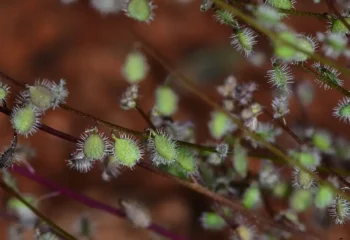
Common Sandweed: A Humble Native with Hidden Garden Value
Meet common sandweed (Athysanus pusillus), a plant that might not win any beauty contests but deserves a spot in your native garden toolkit. This unassuming little annual belongs to the mustard family and has been quietly supporting Western ecosystems for millennia. While it may not be the showstopper of your landscape, common sandweed offers unique benefits for gardeners who appreciate the subtle beauty of native plants.
What Exactly Is Common Sandweed?
Common sandweed is a small, delicate annual herb that typically grows low to the ground. Don’t let the name fool you – while it’s not the most glamorous plant, it’s far from being a troublesome weed in the traditional sense. This native species produces tiny white flowers and has a graceful, fine-textured appearance that adds subtle interest to naturalistic plantings.
You might also encounter this plant listed under its synonyms, including Thysanocarpus pusillus, though Athysanus pusillus is the currently accepted botanical name.
Where Does Common Sandweed Call Home?
This hardy little plant is native to both Canada and the lower 48 states, with a natural range that spans much of western North America. You’ll find it growing wild across British Columbia, Arizona, California, Idaho, Montana, Nevada, Oregon, Utah, and Washington.
- Species observed
- No observations
Should You Plant Common Sandweed in Your Garden?
Here’s the honest truth about common sandweed: it’s not going to be the star of your garden show. However, there are compelling reasons why native plant enthusiasts and ecologically-minded gardeners might want to give it a chance:
- Native ecosystem support: As a native species, it provides food and habitat for local wildlife and beneficial insects
- Low maintenance: Once established, it requires virtually no care
- Drought tolerance: Perfect for water-wise gardening in arid regions
- Natural groundcover: Fills in spaces in rock gardens and naturalistic plantings
- Self-seeding: Will return year after year without replanting
Design Ideas and Garden Applications
Common sandweed works best in specific garden settings where its subtle nature can be appreciated:
- Native plant gardens: Ideal for recreating natural ecosystems
- Rock gardens: Thrives in well-draining, sandy conditions
- Xeriscaping: Perfect for drought-tolerant landscapes
- Naturalistic meadows: Provides fine texture among showier wildflowers
- Restoration projects: Excellent for rehabilitating disturbed native habitats
Growing Common Sandweed Successfully
The good news? Common sandweed is remarkably easy to grow if you can provide the right conditions. This plant thrives in USDA hardiness zones 3-9, making it suitable for a wide range of climates.
Ideal Growing Conditions
- Soil: Well-draining sandy or rocky soils (avoid heavy clay or waterlogged areas)
- Light: Full sun to partial shade
- Water: Drought tolerant once established; minimal watering needed
- pH: Adaptable to various soil pH levels
Planting and Care Tips
Getting common sandweed established is straightforward:
- Seeding: Direct seed in fall for spring germination, or start indoors 6-8 weeks before last frost
- Spacing: Scatter seeds naturally – this plant doesn’t need precise spacing
- Watering: Water lightly until germination, then reduce frequency
- Maintenance: Virtually none required – let it self-seed for future generations
- Fertilizing: Unnecessary and may actually harm this adapted native
Wildlife and Pollinator Benefits
While common sandweed’s flowers are small, they attract important pollinators including native bees and beneficial insects. The seeds provide food for small birds and other wildlife, making it a valuable component of native food webs.
The Bottom Line
Common sandweed isn’t for every garden or every gardener. If you’re looking for bold colors and dramatic foliage, this probably isn’t your plant. However, if you’re passionate about native plants, interested in supporting local ecosystems, or need a low-maintenance groundcover for challenging sites, common sandweed deserves consideration.
This humble native reminds us that not every garden plant needs to be a showstopper. Sometimes the quiet contributors – the plants that fill in gaps, support wildlife, and ask for nothing in return – are exactly what our landscapes need. In an era of increasing environmental awareness, common sandweed represents the kind of thoughtful, ecological gardening that benefits both our properties and the broader natural world.