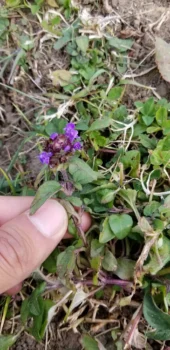
Common Selfheal: The Resilient Ground Cover That Keeps on Giving
Meet common selfheal (Prunella vulgaris vulgaris), a tough little perennial that’s been quietly conquering lawns and meadows across North America for generations. This unassuming forb might not win any beauty contests, but what it lacks in flashiness, it more than makes up for in reliability and ecological value.
What Exactly Is Common Selfheal?
Common selfheal is a low-growing perennial forb that forms dense mats across the ground. As a member of the mint family, it shares that characteristic square stem and tendency to spread with enthusiasm. Don’t worry though – unlike some of its more aggressive mint cousins, selfheal is generally well-behaved and won’t completely take over your garden overnight.
You might also see this plant listed under various scientific synonyms, including Prunella caroliniana and several varieties of Prunella vulgaris, but they’re all referring to the same hardy little survivor.
Where Does It Call Home?
Here’s where things get interesting: common selfheal has a complex native status. It’s considered native throughout the lower 48 United States, where it belongs in the natural ecosystem. However, it’s been introduced to Canada and Hawaii, where it now reproduces and persists on its own in the wild.
You’ll find this adaptable plant growing across an impressive range of locations, from British Columbia to Florida, and from California to Maine. It’s also established itself in Canadian provinces and even made it all the way to Hawaii.
- Species observed
- No observations
Why Gardeners Love (and Sometimes Tolerate) Selfheal
Common selfheal isn’t going to stop traffic with its beauty, but it offers several compelling reasons to welcome it into your landscape:
- Pollinator magnet: Those small purple-violet flower spikes are absolute bee magnets, providing nectar for various pollinators throughout the growing season
- Tough as nails: Once established, this plant can handle drought, foot traffic, and general neglect with remarkable grace
- Natural ground cover: Forms dense, low mats that can serve as an alternative to traditional turf grass in appropriate areas
- Low maintenance: Requires minimal care once established, making it perfect for busy gardeners
The Perfect Spot for Selfheal
Common selfheal is remarkably adaptable when it comes to growing conditions. It thrives in USDA hardiness zones 4-9, tolerating everything from full sun to partial shade. While it prefers moist soil, it’s surprisingly drought-tolerant once its roots are established.
This makes it an excellent choice for:
- Naturalized meadow areas
- Informal garden borders
- Areas where traditional grass struggles
- Eco-friendly, low-maintenance landscapes
Growing and Caring for Common Selfheal
One of selfheal’s biggest selling points is how easy it is to grow. This plant is practically foolproof, which can be both a blessing and a consideration to keep in mind.
Planting tips:
- Plant in spring or fall when temperatures are moderate
- Space plants 12-18 inches apart (though they’ll fill in quickly)
- Water regularly until established, then let nature take over
- Works well in various soil types, though it prefers slightly moist conditions
Ongoing care:
- Minimal fertilization needed – this plant thrives on neglect
- Can be mowed if you want to keep it low and tidy
- May self-seed readily, so deadhead flowers if you want to control spread
- Generally pest and disease-free
A Word of Caution
While common selfheal is generally well-behaved, it’s worth noting that it can spread enthusiastically once happy in its location. In areas where it’s native (the lower 48 states), this is perfectly fine and even beneficial for local ecosystems. However, if you’re gardening in Canada or Hawaii where it’s non-native, you might want to consider native ground cover alternatives that provide similar benefits without the ecological concerns.
The Bottom Line
Common selfheal might not be the showstopper of your garden, but it’s the reliable friend who’s always there when you need them. For gardeners looking for a low-maintenance, pollinator-friendly ground cover that can handle whatever weather throws at it, selfheal delivers in spades. Just keep its spreading nature in mind and give it appropriate space to roam – or be prepared to keep it in check if you prefer a more controlled garden aesthetic.