Common Snowberry: The Hardy Native Shrub Your Garden Has Been Waiting For
If you’re looking for a low-maintenance native shrub that delivers year-round interest and supports local wildlife, let me introduce you to common snowberry (Symphoricarpos albus). This unsung hero of the native plant world might not win any flashy flower contests, but it’s got charm, character, and incredible staying power that makes it a smart choice for gardeners who want beauty without the fuss.
What Makes Common Snowberry Special?
Common snowberry is a deciduous shrub that typically grows to about 3 feet tall and wide, making it perfectly sized for most garden spaces. What really sets this plant apart are its distinctive white berries that appear in late summer and persist well into winter, creating striking clusters against bare branches when most other plants have called it quits for the season.
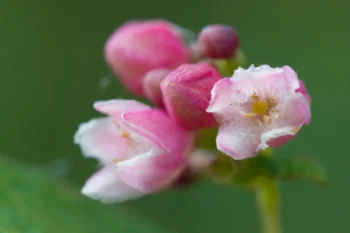
The shrub has a rounded, somewhat spreading growth habit and produces small, inconspicuous white or pinkish flowers in early summer. While the flowers won’t stop traffic, they’re beloved by native bees and other pollinators who appreciate the reliable nectar source.
A True North American Native
Here’s where common snowberry really shines – it’s native across an incredibly vast range. This hardy shrub calls home everywhere from Alaska down through Canada and across most of the lower 48 states, including Alberta, British Columbia, California, Colorado, Idaho, Montana, Oregon, Washington, and dozens of other states and provinces.
- Species observed
- No observations
This extensive native range tells you something important: this is one adaptable plant that can handle whatever Mother Nature throws at it.
Perfect for These Garden Styles
Common snowberry fits beautifully into several types of landscapes:
- Native plant gardens: As a true native, it provides authentic regional character
- Wildlife habitat gardens: The berries feed birds, and the dense growth provides nesting sites
- Naturalized landscapes: Perfect for that wild look that’s actually carefully planned
- Woodland gardens: Thrives as an understory plant beneath taller trees
- Erosion control: The rhizomatous root system helps stabilize slopes
Growing Conditions That Make It Happy
One of the best things about common snowberry is how easygoing it is about growing conditions. This adaptable shrub handles:
- Soil types: Happy in coarse, medium, or fine-textured soils
- pH range: Tolerates slightly acidic to neutral soils (6.0-7.8)
- Moisture: Drought tolerant once established, with medium water needs
- Sun exposure: Prefers full sun but tolerates some shade
- Climate: Hardy in USDA zones 3-7, tolerating temperatures as low as -38°F
The plant typically grows in upland areas rather than wetlands, making it perfect for most garden situations. It’s also quite tolerant of various soil conditions and has high drought tolerance once established.
Planting and Care Tips
Getting common snowberry established in your garden is refreshingly straightforward:
- When to plant: Spring or fall when temperatures are moderate
- Spacing: Plant 3-4 feet apart if creating a mass planting
- Soil prep: No special soil amendments needed – this plant adapts to what you’ve got
- Watering: Water regularly the first year, then let natural rainfall take over
- Fertilizing: Generally unnecessary – it has medium fertility requirements
- Pruning: Minimal pruning needed; remove dead or damaged branches in late winter
The plant spreads moderately through underground rhizomes, so give it room to naturalize or be prepared to manage its spread in smaller gardens.
Wildlife Benefits That Count
While we don’t have complete data on all the wildlife that use common snowberry, its native status and widespread distribution suggest it plays an important ecological role. The white berries are known to persist through winter, providing food when other sources are scarce. The dense, rounded growth habit offers excellent cover for small birds and mammals.
The Bottom Line
Common snowberry might not be the showiest plant in your garden, but it’s definitely one of the most reliable. If you’re looking for a native shrub that requires minimal maintenance, supports local ecosystems, provides winter interest, and adapts to various growing conditions, this could be exactly what your landscape needs. It’s particularly valuable for gardeners who want to create habitat while enjoying a plant that truly belongs in the North American landscape.
Sometimes the best garden plants are the ones that quietly do their job year after year without demanding constant attention – and common snowberry does exactly that, with a few lovely white berries as a winter bonus.