Common Spikerush: The Unsung Hero of Wetland Gardens
If you’ve ever wondered what makes a wetland garden truly functional rather than just pretty, meet your new best friend: common spikerush (Eleocharis palustris). This humble yet hardworking native plant might not win any beauty contests, but it’s the ultimate team player in water-wise landscaping.
What Exactly Is Common Spikerush?
Common spikerush goes by several names – you might hear it called creeping spike-rush or marsh spike-rush. Don’t let the rush part fool you though; this perennial is actually a sedge-family member that forms dense, grass-like colonies. Think of it as nature’s own living sponge, perfectly designed to thrive where other plants would literally drown.
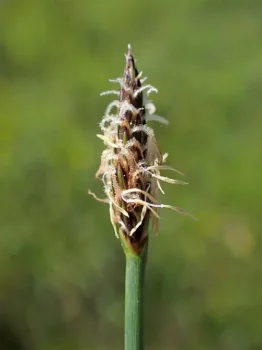
This fine-textured plant sports dark green foliage that grows in an upright, erect fashion, reaching about 1.3 feet tall. While its brown flowers aren’t exactly Instagram-worthy, they serve an important purpose in the plant’s wind-pollinated reproduction strategy.
Where Does Common Spikerush Call Home?
Here’s where common spikerush really shines – it’s about as all-American as apple pie! This native plant spans an impressive range across North America, from the frozen tundra of Alaska and northern Canada all the way down through the lower 48 states. You’ll find it naturally growing in every U.S. state except… well, actually, it grows in all of them, plus most Canadian provinces and even Greenland.
- Species observed
- No observations
The plant thrives in USDA hardiness zones 3 through 9, making it suitable for most North American gardens where winter temperatures don’t drop below -38°F.
Why Your Wetland Garden Needs This Plant
Common spikerush isn’t just widespread by accident – it’s incredibly good at what it does. As an obligate wetland plant, it almost always occurs in wet conditions and serves several crucial roles:
- Erosion control champion: Those spreading rhizomes create a dense root network that holds soil in place
- Water quality improver: Acts as a natural filter, removing excess nutrients and pollutants
- Habitat creator: Provides cover and nesting sites for wetland wildlife
- Low-maintenance ground cover: Once established, it practically takes care of itself
Perfect Garden Settings
This isn’t a plant for your typical perennial border – common spikerush has very specific needs and shines in particular settings:
- Rain gardens and bioswales
- Pond edges and water garden margins
- Constructed wetlands
- Restoration projects for degraded wetland areas
- Storm water management installations
Growing Conditions: Keep It Wet!
The secret to success with common spikerush is simple: think wet, wet, wet. Here’s what this moisture-loving plant craves:
Water requirements: High moisture use – this plant needs consistently saturated to wet soils. Drought tolerance? Practically nonexistent.
Soil preferences: Surprisingly flexible here! It adapts well to both coarse and fine-textured soils, though it skips medium-textured ones. pH can range from quite acidic (4.0) to mildly alkaline (8.0).
Light needs: Full sun is essential – this plant is shade intolerant and needs at least 100 frost-free days to thrive.
Climate considerations: Handles annual precipitation ranging from 16 to 60 inches, making it adaptable to various regional climates.
Planting and Care Tips
The good news? Once you get common spikerush established, it’s refreshingly low-maintenance. Here’s how to set it up for success:
Getting started: This plant is routinely available commercially and can be propagated by seed or sprigs. Seeds are best sown in late spring, though the plant doesn’t require cold stratification.
Planting density: Plan for 11,000 to 19,000 plants per acre for restoration projects – that’s quite dense!
Establishment: With moderate growth and spread rates, give it time to settle in. The plant has medium seedling vigor, so patience pays off.
Ongoing care: Minimal! This fire-resistant plant doesn’t resprout after cutting, but its rhizomatous growth habit means it’ll naturally fill in gaps. No fertilizer schedule needed – it prefers medium fertility levels.
The Bottom Line
Common spikerush won’t win any awards for flashy flowers or dramatic foliage, but if you’re serious about creating functional wetland habitat or managing stormwater runoff, this native workhorse deserves a spot in your landscape plan. It’s the plant equivalent of a reliable friend – maybe not the most exciting, but absolutely dependable when you need it most.
Just remember: this is definitely a right plant, right place situation. Give common spikerush the wet conditions it craves, and you’ll have a virtually maintenance-free addition that supports local ecosystems while solving real landscape challenges.