Common Threesquare: The Unsung Hero of Wetland Gardens
If you’ve been searching for the perfect native plant to transform that soggy corner of your yard into something spectacular, meet your new best friend: common threesquare (Schoenoplectus pungens). This humble sedge might not win any beauty contests, but it’s absolutely brilliant at what it does – thriving in wet conditions where other plants throw in the towel.
What Exactly Is Common Threesquare?
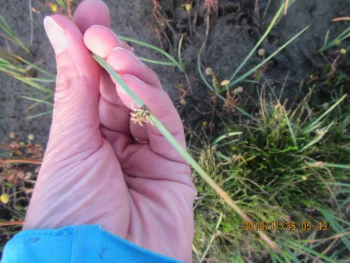
Don’t let the name fool you – common threesquare isn’t actually a grass, though it sure looks like one! It’s a perennial sedge that belongs to the same family as bulrushes. The threesquare part of its name comes from its distinctive triangular stems, which you can feel when you roll them between your fingers. It’s one of those if you know, you know plant identification tricks that makes you feel like a botanical detective.
This grass-like wonder forms dense colonies through underground rhizomes, creating natural-looking stands that can spread several feet wide over time. During growing season, it produces small, unremarkable brown flower clusters that might not wow your Instagram followers but are perfectly functional for the plant’s wind-pollinated lifestyle.
Where Does It Call Home?
Here’s where common threesquare really shines – it’s a true North American native with an absolutely massive range. This adaptable sedge naturally occurs across an impressive span of geography, from Alaska down through Canada and throughout virtually every state in the lower 48, including Alabama, Arizona, California, Florida, Maine, Montana, Nevada, Texas, and Washington, just to name a few. If you live in North America, chances are excellent that common threesquare considers your region home turf.
- Species observed
- No observations
Why Your Garden Needs This Wetland Wonder
Common threesquare is what plant enthusiasts call an obligate wetland species, meaning it almost always occurs in wetlands across all regions of North America. This makes it absolutely perfect for specific garden situations where other plants struggle:
- Rain gardens: Handles heavy rainfall and standing water like a champ
- Pond edges: Creates natural-looking transitions between water and land
- Bog gardens: Thrives in consistently moist, even soggy conditions
- Erosion control: Those spreading rhizomes help stabilize wet soil
- Wetland restoration: Essential for recreating authentic wetland ecosystems
While common threesquare might not be a pollinator magnet (it’s wind-pollinated, after all), it plays a crucial role in supporting wetland ecosystems. Birds often use the seeds as food, and the dense growth provides shelter for various wildlife species that call wetlands home.
Growing Common Threesquare Successfully
The good news about common threesquare is that if you can provide what it needs – consistent moisture – it’s remarkably low-maintenance. This tough perennial is hardy in USDA zones 3-9, making it suitable for most of North America.
Perfect Growing Conditions
- Light: Full sun to partial shade (though it performs best with plenty of sunlight)
- Soil: Consistently moist to wet soils – think marsh-like conditions
- Water: This is the non-negotiable requirement – it needs constant moisture and can even handle periodic flooding
- pH: Adaptable to various pH levels, from slightly acidic to alkaline
Planting and Care Tips
Spring is your best bet for planting common threesquare, giving it a full growing season to establish before winter. Here’s how to set it up for success:
- Plant in the wettest area of your garden – seriously, this plant loves having wet feet
- Space plants about 12-18 inches apart if you want faster coverage
- Don’t worry about fertilizing – wetland soils typically provide everything it needs
- Once established, it’s virtually maintenance-free (assuming you keep it wet!)
- Cut back dead foliage in late winter or early spring if desired, though it’s not necessary
Is Common Threesquare Right for Your Garden?
Here’s the honest truth: common threesquare isn’t for everyone. If you’re looking for a drought-tolerant plant or something for well-drained garden beds, keep looking. But if you have a wet area that’s been driving you crazy, or if you’re passionate about creating authentic native plant communities, this sedge could be exactly what you’ve been searching for.
The plant spreads naturally through rhizomes, so it will gradually expand its territory – something to keep in mind when planning your space. This spreading habit makes it excellent for naturalizing large areas but might be too aggressive for tiny water features.
Common threesquare might not be the showiest plant in your garden, but it brings something invaluable: the authentic beauty of North American wetlands and the satisfaction of growing a plant perfectly adapted to its environment. Sometimes the most common plants are common for all the right reasons.