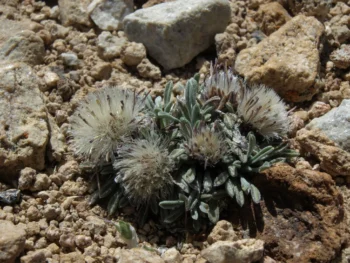
Common Townsend Daisy: A Charming Native Ground Cover for Western Gardens
If you’re searching for a tough, drought-tolerant native plant that brings delicate beauty to challenging garden spots, meet the common Townsend daisy (Townsendia leptotes). This unassuming little perennial might just become your new favorite ground cover, especially if you’re dealing with rocky soil, harsh sun, or water restrictions.
What is Common Townsend Daisy?
Common Townsend daisy is a native perennial forb that forms compact, cushion-like mats close to the ground. Don’t let the word forb intimidate you – it simply means this plant is a non-woody flowering plant, similar to what most people would call an herb or wildflower. This little beauty lacks the woody stems of shrubs but makes up for it with remarkable resilience and charm.
You might occasionally see this plant listed under its botanical synonym, Townsendia sericea var. leptotes, but Townsendia leptotes is the accepted scientific name.
Where Does It Call Home?
This hardy native has quite an impressive range across the American West. You’ll find common Townsend daisy growing naturally in Arizona, California, Colorado, Idaho, Montana, Nevada, New Mexico, Utah, and Wyoming. It’s perfectly adapted to the challenging conditions of these regions – from high desert plains to rocky mountain slopes.
- Species observed
- No observations
Why You’ll Fall in Love with This Plant
The common Townsend daisy may be small, but it packs a visual punch. Picture tiny, perfectly formed daisy flowers with crisp white to pale pink petals surrounding bright yellow centers. These cheerful blooms appear in spring and often continue sporadically through summer, creating a delightful carpet of color just inches above the ground.
The plant forms dense, low-growing mats that rarely exceed a few inches in height but can spread to create attractive ground cover. Its compact, cushion-like growth habit makes it perfect for tucking into rock gardens, along pathways, or anywhere you need a low-maintenance plant that won’t get out of hand.
Perfect Spots for Common Townsend Daisy
This versatile native shines in several garden settings:
- Rock gardens where its compact form complements stones beautifully
- Alpine gardens that mimic its natural mountain habitat
- Xeriscapes and drought-tolerant landscapes
- Native plant gardens celebrating regional flora
- Slopes and challenging areas where other plants struggle
- Border edges where you want neat, contained growth
A Friend to Pollinators
Don’t underestimate this little plant’s value to wildlife. The daisy-like flowers are magnets for small native bees, butterflies, and other beneficial insects. By planting common Townsend daisy, you’re providing crucial nectar sources for pollinators, especially important in arid regions where blooming plants can be scarce.
Growing Conditions That Make It Happy
The secret to success with common Townsend daisy lies in mimicking its natural habitat:
- Sunlight: Full sun is essential – this plant thrives in bright, direct light
- Soil: Well-drained soil is absolutely critical; it tolerates poor, rocky, or sandy soils better than rich, moisture-retentive ones
- Water: Low water requirements once established; drought tolerance is one of its superpowers
- Climate: Hardy in USDA zones 4-8, handling both cold winters and hot, dry summers
Planting and Care Tips
Growing common Townsend daisy successfully is easier than you might think:
When to Plant: Spring is the ideal planting time, giving the plant a full growing season to establish before winter.
Soil Preparation: If your soil tends to hold water, amend it with coarse sand, gravel, or pumice to improve drainage. Remember, soggy soil is this plant’s biggest enemy.
Watering: Water regularly the first year to help establishment, then cut back significantly. Once mature, this plant prefers to stay on the dry side and may actually suffer from too much water.
Maintenance: One of the best things about common Townsend daisy is how little fuss it requires. Deadheading spent flowers can encourage more blooms, but it’s not necessary for the plant’s health.
Potential Challenges
The biggest mistake gardeners make with common Townsend daisy is overwatering or planting it in poorly drained soil. In wet conditions, this tough little plant can develop root rot or other fungal issues. If you have heavy clay soil or a spot that stays moist, this might not be the right plant for that location.
Also, if you’re gardening outside its native range or in very humid climates, common Townsend daisy may struggle to adapt.
The Bottom Line
Common Townsend daisy is a fantastic choice for gardeners in western regions who want a beautiful, low-maintenance native plant. It’s particularly valuable for challenging spots where other plants might struggle – those sunny, dry areas that seem impossible to beautify. Plus, you’ll be supporting local ecosystems and providing food for native pollinators.
If you’re dealing with water restrictions, rocky soil, or simply want a plant that thrives on neglect while still offering visual appeal, give common Townsend daisy a try. This little native might just surprise you with its quiet charm and remarkable resilience.