Common Viburnum: A Pacific Northwest Native Worth Growing
If you’re looking for a dependable native shrub that delivers year-round interest without demanding constant attention, let me introduce you to common viburnum (Viburnum ellipticum). This unassuming Pacific Northwest native might not have the flashiest name, but it’s got the goods where it counts – beautiful flowers, colorful berries, and a knack for supporting local wildlife.
What Makes Common Viburnum Special
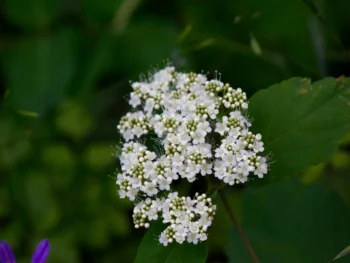
Common viburnum is a multi-stemmed perennial shrub that typically stays under 13-16 feet tall, making it perfect for most residential landscapes. In late spring, it produces clusters of small, creamy white flowers arranged in flat-topped displays that practically buzz with pollinator activity. But the show doesn’t stop there – those flowers transform into bright red berries that eventually ripen to black, providing a feast for birds and adding visual interest through summer and fall.
The oval, serrated leaves put on their own autumn performance, turning lovely shades of red before dropping for winter. It’s the kind of plant that gives you something to appreciate in every season without being overly dramatic about it.
Where You’ll Find It Growing Wild
This native beauty calls the Pacific Northwest home, naturally occurring in California, Oregon, and Washington, with some populations extending into North Dakota. It’s perfectly adapted to the regional climate and growing conditions, which makes it a smart choice for gardeners in these areas.
- Species observed
- No observations
Why Your Garden (and Local Wildlife) Will Love It
Here’s where common viburnum really shines – it’s like a neighborhood diner for local wildlife. The spring flowers attract bees, butterflies, and other beneficial pollinators, while the berries provide food for birds throughout the growing season. If you’re trying to create habitat in your garden, this shrub is pulling its weight and then some.
From a design perspective, common viburnum works beautifully as:
- An understory plant in woodland gardens
- A naturalizing element in native plant landscapes
- Part of mixed shrub borders
- A wildlife habitat feature
Growing Common Viburnum Successfully
One of the best things about native plants is that they’re already adapted to local conditions, and common viburnum is no exception. It thrives in USDA hardiness zones 6-9, handling everything from partial shade to full sun exposure. While it appreciates moist, well-drained soil, it’s surprisingly adaptable to different soil types once established.
Here are the key growing tips:
- Plant in spring or fall for best establishment
- Choose a spot with partial shade to full sun
- Ensure good drainage – it doesn’t like soggy feet
- Mulch around the base to retain moisture and suppress weeds
- Water regularly the first year, then it becomes quite drought tolerant
- Minimal pruning needed – just remove dead or damaged branches
Is Common Viburnum Right for Your Garden?
If you’re gardening in the Pacific Northwest and want to support local ecosystems while adding reliable beauty to your landscape, common viburnum is definitely worth considering. It’s particularly perfect for gardeners who appreciate understated elegance over flashy showstoppers.
This shrub works especially well if you’re creating a woodland garden, establishing wildlife habitat, or simply want a low-maintenance native that delivers consistent performance. Just keep in mind its mature size when planning – while it’s not huge, it does need room to develop its natural multi-stemmed form.
The bottom line? Common viburnum might have a humble name, but it’s anything but ordinary when it comes to supporting pollinators, feeding wildlife, and adding quiet beauty to Pacific Northwest gardens. Sometimes the best plants are the ones that simply do their job well, year after year, without making a fuss about it.