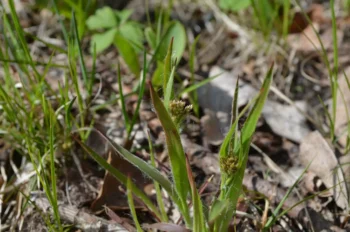
Common Woodrush: A Humble Native Groundcover Worth Knowing
If you’re looking for a plant that screams look at me! from across the garden, common woodrush (Luzula multiflora) probably isn’t your star performer. But if you want a reliable, native groundcover that quietly does its job while supporting local ecosystems, this unassuming little rush might just earn a spot in your landscape.
What Exactly Is Common Woodrush?
Common woodrush is a perennial grass-like plant that belongs to the rush family (Juncaceae). Don’t let the name fool you—it’s not actually a grass, though it shares that fine, narrow-leaved appearance that makes it blend seamlessly into naturalistic plantings. Think of it as nature’s background actor: not flashy, but essential to the overall performance.
A True Native Success Story
One of the best things about common woodrush is its impressive native credentials. This hardy little plant calls North America home, with native populations stretching from Alaska and Canada down through the lower 48 states. It’s also found in Greenland and St. Pierre and Miquelon, making it a true northern specialist.
You can find common woodrush growing naturally across an impressive range of states and provinces, including Alberta, British Columbia, Alaska, Manitoba, New Brunswick, Arizona, California, Nova Scotia, Ontario, Colorado, Connecticut, Delaware, Idaho, Illinois, Indiana, Iowa, Kentucky, Maine, Maryland, Massachusetts, Michigan, Minnesota, Missouri, Montana, Nevada, New Hampshire, New Jersey, New Mexico, New York, North Carolina, Ohio, Oregon, Pennsylvania, Rhode Island, South Carolina, South Dakota, Tennessee, Utah, Vermont, Virginia, Washington, West Virginia, Wisconsin, and Wyoming.
- Species observed
- No observations
The Appeal (Such As It Is)
Let’s be honest—common woodrush won’t win any beauty contests. Its small, brownish flower clusters are more functional than fabulous, and its thin, grass-like leaves create a subtle presence rather than a bold statement. But sometimes subtle is exactly what you need. This plant excels at providing fine texture and creating that native meadow look that’s so popular in contemporary landscape design.
Where Common Woodrush Shines
Common woodrush is perfect for:
- Naturalistic and native plant gardens
- Woodland edges and understory plantings
- Meadow restorations and prairie-style landscapes
- Areas where you want groundcover that won’t compete with showier plants
- Low-maintenance landscapes that need reliable, adaptable plants
Growing Conditions and Care
Here’s where common woodrush really earns its keep—it’s remarkably adaptable. This plant thrives in USDA hardiness zones 3 through 8, making it suitable for most temperate regions. It’s quite flexible about soil conditions and can handle everything from moist to moderately dry sites.
According to wetland indicators, common woodrush typically prefers upland conditions (non-wetland areas) but can tolerate some moisture. It’s comfortable in partial shade to partial sun, making it useful for those tricky transitional areas in your landscape.
Planting and Care Tips
The beauty of common woodrush lies in its low-maintenance nature:
- Plant in spring or fall when temperatures are moderate
- Space plants about 12-18 inches apart for groundcover effect
- Water regularly the first season to establish roots, then let nature take over
- No need for fertilization—this plant prefers lean conditions
- Allow it to self-seed if you want it to spread naturally
- Minimal pruning needed; just remove any damaged foliage in late winter
Wildlife and Ecosystem Benefits
While common woodrush might not be a pollinator magnet (it’s wind-pollinated, after all), it still contributes to the ecosystem in meaningful ways. Its dense, fine foliage provides habitat structure for small insects and other creatures, and its seeds may feed some birds. As a native plant, it fits naturally into local food webs and ecological relationships.
The Bottom Line
Should you plant common woodrush? If you’re looking for instant drama and knockout blooms, probably not. But if you want a reliable, native groundcover that provides subtle texture, requires minimal care, and supports local ecosystems, common woodrush deserves serious consideration. It’s the kind of plant that grows on you (literally and figuratively)—quiet, dependable, and perfectly suited to its role as a supporting player in the native plant garden.
Sometimes the best plants are the ones that simply do their job well, year after year, without demanding attention. Common woodrush is definitely one of those plants.