Common Woolly Sunflower: A Cheerful Native That Thrives on Neglect
If you’re looking for a native plant that delivers maximum charm with minimum effort, meet the common woolly sunflower (Eriophyllum lanatum). This delightfully low-maintenance western native brings sunshine to your garden while supporting local wildlife – and it practically grows itself once established!
What Makes Common Woolly Sunflower Special
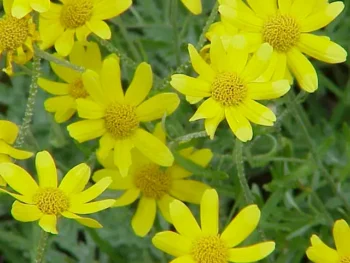
Common woolly sunflower is a true native gem, naturally occurring across western North America from British Columbia down to California and extending eastward to Wyoming. As both an annual and perennial (depending on growing conditions), this adaptable forb herb produces clusters of bright yellow, daisy-like flowers that seem to glow against its distinctive woolly, gray-green foliage.
The plant gets its woolly name from the soft, fuzzy texture of its leaves and stems, which not only adds visual interest but also helps the plant conserve moisture – a clever adaptation that makes it incredibly drought-tolerant.
Where You’ll Find It Growing Wild
This sun-loving native thrives across nine western states and one Canadian province: British Columbia, California, Idaho, Montana, Nevada, Oregon, Utah, Washington, and Wyoming. It’s perfectly adapted to the challenging conditions of the American West, from coastal areas to mountain slopes.
- Species observed
- No observations
Why Your Garden (and Local Wildlife) Will Love It
Common woolly sunflower isn’t just a pretty face – it’s a pollinator magnet! The bright yellow blooms attract:
- Native bees seeking nectar and pollen
- Butterflies drawn to the colorful flowers
- Beneficial insects that help maintain garden balance
- Other wildlife that depend on these pollinators
The extended blooming period from spring through summer means your garden visitors will have a reliable food source for months, not just weeks.
Perfect Spots for Planting
Common woolly sunflower shines in:
- Rock gardens where its compact form and drought tolerance excel
- Native plant gardens as an authentic regional choice
- Xeriscaping designs where water conservation is key
- Wildflower meadows for a naturalized look
- Border edges where its tidy growth habit provides structure
- Wildlife gardens supporting local ecosystems
Growing Conditions That Make It Happy
This adaptable native is surprisingly easy to please:
- Sunlight: Full sun for best flowering (at least 6 hours daily)
- Soil: Well-draining soil is essential – it hates wet feet
- Water: Drought-tolerant once established; minimal summer watering needed
- Hardiness: Thrives in USDA zones 5-9
- Soil type: Adapts to sandy, rocky, or clay soils as long as drainage is good
Planting and Care Made Simple
The beauty of common woolly sunflower lies in its simplicity:
Getting started: Plant seeds in fall or early spring, or start with nursery plants after the last frost. Choose a sunny spot with good drainage – this is non-negotiable for success.
Ongoing care: Water regularly the first season to help establish roots, then step back and let nature take over. Deadhead spent flowers to encourage continued blooming, though many gardeners prefer to let some flowers go to seed to support wildlife and allow for natural reseeding.
Maintenance: Virtually none! This native has evolved to thrive in challenging conditions, so resist the urge to pamper it with frequent watering or rich fertilizer – it actually prefers lean conditions.
The Bottom Line
Common woolly sunflower proves that native plants offer the perfect combination of beauty, ecological value, and ease of care. Whether you’re creating a water-wise landscape, supporting local pollinators, or simply want a cheerful plant that won’t demand constant attention, this western native delivers on all counts. Plant it once, and enjoy years of bright blooms and buzzing wildlife activity – now that’s what we call a gardening win-win!