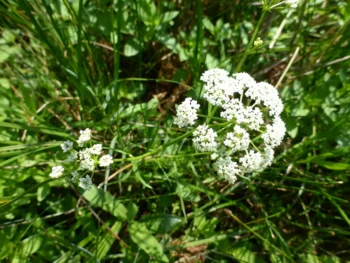
Common Yampah: A Hidden Gem for Native Plant Gardens
If you’ve never heard of common yampah, you’re not alone! This understated native wildflower tends to fly under the radar, but it deserves a closer look from gardeners who appreciate subtle beauty and ecological value. With its delicate white flower clusters and fern-like foliage, common yampah (Perideridia gairdneri borealis) brings a touch of prairie elegance to naturalistic gardens across much of western North America.
What is Common Yampah?
Common yampah is a perennial forb – essentially a non-woody flowering plant that comes back year after year. This native wildflower is part of the carrot family, which explains its characteristic umbrella-shaped flower clusters called umbels. Don’t let the humble name fool you; this plant has quite the identity crisis in botanical circles, having been known by several synonyms including Perideridia montana and Carum montanum over the years.
Where Does Common Yampah Grow Naturally?
This adaptable native spans an impressive range across western North America. You’ll find common yampah growing naturally from the Canadian provinces of Alberta, British Columbia, and Saskatchewan, down through the western United States. Its range includes California, Colorado, Idaho, Montana, Nevada, Oregon, South Dakota, Utah, Washington, and Wyoming.
- Species observed
- No observations
Why Plant Common Yampah in Your Garden?
While common yampah might not win any awards for showiness, it brings several compelling qualities to the table:
- Native authenticity: As a true native across much of western North America, it supports local ecosystems
- Pollinator magnet: The small white flowers arranged in umbels attract bees, beneficial flies, and butterflies
- Low maintenance: Once established, this perennial requires minimal care
- Naturalistic appeal: Perfect for wildflower meadows and prairie-style gardens
- Textural interest: The delicate, fern-like foliage adds fine texture to plantings
Perfect Garden Settings for Common Yampah
Common yampah shines brightest in naturalistic garden settings rather than formal borders. Consider incorporating it into:
- Native plant gardens and wildflower meadows
- Prairie restoration projects
- Rain gardens and naturalized areas
- Mixed perennial borders with other native wildflowers
- Cottage gardens with a wild, informal feel
Growing Conditions and Care
One of common yampah’s best qualities is its adaptability. This resilient native thrives in USDA hardiness zones 3 through 8, making it suitable for most temperate climates. Here’s what it needs to flourish:
Light Requirements
Common yampah performs well in full sun to partial shade, though it typically produces more flowers with adequate sunlight.
Soil Preferences
This adaptable plant tolerates various soil types, from moist to moderately dry conditions. It’s not overly picky about soil pH or fertility, making it an excellent choice for low-input gardens.
Watering Needs
While common yampah benefits from consistent moisture during its establishment period, mature plants are quite drought-tolerant. This makes it an excellent choice for water-wise gardening.
Planting and Establishment Tips
Getting common yampah started in your garden is refreshingly straightforward:
- Timing: Plant in spring after the last frost, or in fall before the ground freezes
- Spacing: Allow 12-18 inches between plants, as mature clumps can reach 1-3 feet in height and width
- Establishment: Water regularly during the first growing season to help roots establish
- Patience pays: Like many native perennials, common yampah may take a year or two to really hit its stride
Maintenance and Long-term Care
Once established, common yampah is wonderfully low-maintenance. Simply allow the flowers to go to seed to encourage natural reseeding, or deadhead if you prefer a tidier appearance. The plant typically dies back to the ground in winter and emerges fresh each spring.
Is Common Yampah Right for Your Garden?
Common yampah is an excellent choice if you’re looking to create authentic native plant communities, support local pollinators, or add subtle texture and movement to naturalistic gardens. While it won’t provide the bold color impact of some showier natives, its understated elegance and ecological value make it a worthy addition to any native plant enthusiast’s collection.
This gentle wildflower proves that sometimes the most valuable garden plants are those that work quietly behind the scenes, supporting the broader web of life while adding their own quiet charm to the landscape.