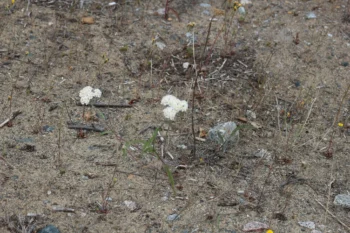
Common Yarrow (Achillea millefolium var. nigrescens): A Hardy Northern Native Worth Growing
Meet one of nature’s most resilient and widespread native plants: common yarrow, specifically the variety Achillea millefolium var. nigrescens. This hardy perennial has been quietly thriving across northern landscapes for centuries, and it’s about time more gardeners discovered its understated charm and practical benefits.
What Makes This Yarrow Special
The variety nigrescens (which hints at darkening or blackening) is a distinctive northern form of the beloved common yarrow. As a perennial forb—essentially a non-woody flowering plant—this variety lacks the thick stems of shrubs but makes up for it with remarkable staying power and adaptability.
Where It Calls Home
This yarrow variety is impressively widespread across northern North America. It’s native to Alaska, Canada (including Alberta, Manitoba, Ontario, Quebec, Northwest Territories, Labrador, and Newfoundland), Greenland, St. Pierre and Miquelon, and several northern U.S. states including Maine, Michigan, New Hampshire, and New York. Talk about a plant that knows how to handle cold weather!
- Species observed
- No observations
Why Your Garden Will Thank You
If you’re looking for a low-maintenance native plant that can handle whatever Mother Nature throws at it, this yarrow variety might be your new best friend. Here’s what makes it garden-worthy:
- Tough as nails: Being native to harsh northern climates means it can handle cold, wind, and challenging growing conditions
- True perennial: Once established, it returns year after year without fuss
- Native plant benefits: Supports local ecosystems and wildlife
- Wide adaptability: Thrives across a broad geographic range
Garden Design Ideas
This northern yarrow variety works beautifully in several garden styles:
- Native plant gardens: Perfect for authentic regional plantings
- Naturalized areas: Great for meadow-style plantings or wild gardens
- Rock gardens: Its hardy nature makes it ideal for challenging spots
- Cold-climate gardens: Excellent choice for northern gardeners seeking reliable natives
Growing Your Northern Yarrow
While specific growing information for this variety is limited in horticultural literature, yarrows in general are famously easy-going plants. Based on its native range, this variety likely prefers:
- Full sun to partial shade
- Well-draining soil (yarrows hate wet feet)
- Cool to cold climate conditions
- Minimal fertilization (these plants thrive in lean soils)
Planting and Care Tips
The beauty of native yarrows lies in their simplicity. Once established, they typically require minimal care. Here are some general guidelines:
- Watering: Water during establishment, then rely on natural rainfall
- Soil: Average, well-draining soil works best
- Maintenance: Deadhead spent flowers to encourage continued blooming
- Hardiness: Extremely cold-hardy given its native range
A Note for Plant Enthusiasts
It’s worth noting that Achillea millefolium var. nigrescens also goes by the synonym Achillea nigrescens (E. Mey.) Rydb., so you might see it listed under either name in plant catalogs or botanical references.
The Bottom Line
If you garden in the northern regions where this yarrow naturally occurs, you’re looking at a plant that’s perfectly suited to your climate and ecosystem. It’s native, hardy, and likely to thrive with minimal intervention—the kind of plant that makes gardening feel effortless rather than exhausting.
While we’d love to share more specific details about this variety’s appearance, exact growing requirements, and wildlife benefits, the horticultural literature on this specific northern form is surprisingly sparse. What we do know is that it’s a legitimate native with an impressive geographic range and the hardy constitution that makes yarrows such garden favorites.
For northern gardeners seeking reliable, truly native plants that can handle challenging conditions, Achillea millefolium var. nigrescens deserves a spot on your consideration list.