Compact Chickensage: A Rare Nevada Treasure for Your Rock Garden
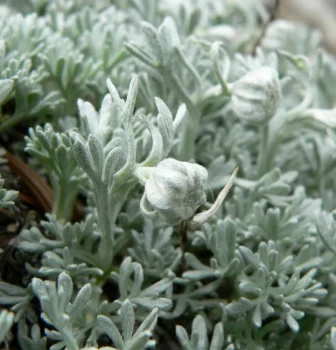
Meet compact chickensage (Sphaeromeria compacta), one of Nevada’s most precious native wildflowers that’s as charming as it is challenging to find. This little silvery beauty might just be the perfect addition to your rock garden – if you can source it responsibly, that is.
What Makes Compact Chickensage Special?
Compact chickensage is a petite perennial forb that stays true to its name with a naturally compact growth habit. This Nevada native produces clusters of tiny yellow flowers that contrast beautifully against its distinctive silvery-gray foliage. Don’t let its small stature fool you – this tough little plant has adapted to some of the harshest conditions in the American West.
You might also encounter this plant listed under its former scientific name, Tanacetum compactum, but Sphaeromeria compacta is the current accepted botanical classification.
Where Does It Call Home?
Compact chickensage is exclusively found in Nevada, making it a true Silver State endemic. It thrives in the high-elevation areas of the Ruby Mountains and surrounding mountain ranges, where it has adapted to rocky, well-draining soils and intense mountain conditions.
- Species observed
- No observations
A Word About Rarity
Important Conservation Note: Compact chickensage carries a Global Conservation Status of S2, meaning it’s considered imperiled in the wild. With only 6 to 20 known occurrences and an estimated 1,000 to 3,000 individual plants remaining, this species is extremely vulnerable to extinction. If you’re interested in growing this rare beauty, please only source plants or seeds from reputable native plant nurseries that use ethically collected material – never harvest from wild populations.
Why Grow Compact Chickensage?
Despite its rarity challenges, compact chickensage offers several compelling reasons to include it in the right garden:
- Unique silvery foliage adds textural interest year-round
- Extremely drought-tolerant once established
- Perfect scale for rock gardens and alpine plantings
- Supports native pollinators with its small but numerous flowers
- Contributes to conservation efforts when responsibly grown
- Authentic Nevada native for regional gardens
Garden Design Ideas
Compact chickensage shines in specialized garden settings where its unique requirements can be met:
- Rock Gardens: Tuck it between stones where drainage is excellent
- Alpine Gardens: Perfect companion for other high-elevation natives
- Xeriscaping: Ideal for water-wise landscapes in appropriate climates
- Native Plant Collections: A prized addition to Nevada native gardens
Growing Conditions and Care
Think high mountain meadow when planning for compact chickensage. This plant has very specific needs that mirror its natural habitat:
Sunlight: Full sun is essential – this mountain dweller needs plenty of bright light.
Soil: Well-draining, rocky or sandy soil is non-negotiable. Heavy clay or poorly draining soils will quickly kill this plant. Consider adding gravel or creating raised beds with excellent drainage.
Water: Once established, compact chickensage is extremely drought-tolerant. In fact, too much water is more likely to harm it than too little. Water sparingly and only during extended dry periods.
Climate: Hardy in USDA zones 4-7, this plant can handle cold winters but may struggle in hot, humid climates.
Planting and Care Tips
- Plant in spring after the last frost
- Amend heavy soils with gravel, sand, or pumice for drainage
- Space plants according to mature size (typically 6-12 inches apart)
- Mulch with gravel rather than organic mulch to prevent moisture retention
- Avoid fertilizing – these plants are adapted to nutrient-poor soils
- Protect from excessive winter moisture in areas with wet winters
Supporting Pollinators and Wildlife
While compact chickensage may be small, it plays an important role in supporting native ecosystems. Its clusters of tiny yellow flowers provide nectar for native bees and other small pollinators during the growing season. By growing this plant responsibly, you’re not only adding beauty to your garden but also supporting the conservation of Nevada’s unique biodiversity.
The Bottom Line
Compact chickensage is definitely not a plant for every garden or every gardener. Its specific growing requirements and conservation status make it a specialty choice for dedicated native plant enthusiasts with the right growing conditions. However, for those who can provide excellent drainage, appropriate climate conditions, and responsibly sourced plants, compact chickensage offers the rare opportunity to grow one of Nevada’s most precious botanical treasures while contributing to its conservation.
Remember, the best way to help rare plants like compact chickensage is to support conservation efforts and only purchase from reputable sources that practice ethical collection and propagation methods.