Confederate Bulbothrix Lichen: A Fascinating Garden Guest You Can’t Plant
If you’ve ever noticed crusty, leaf-like growths on tree bark in your garden and wondered what they are, you might be looking at Confederate bulbothrix lichen (Bulbothrix confoederata). This intriguing organism isn’t actually a plant at all – it’s a lichen, which makes it a completely different kind of garden resident than the flowers, shrubs, and trees you’re used to!
What Exactly Is Confederate Bulbothrix Lichen?
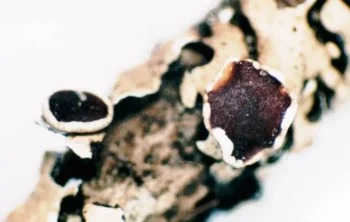
Confederate bulbothrix lichen is a fascinating partnership between a fungus and algae working together as one organism. Also known scientifically by its former name Parmelia confoederata, this native North American lichen creates distinctive gray-green, leafy patches that you’ll typically find growing on tree bark.
Unlike the plants in your garden beds, lichens don’t have roots, stems, or leaves. Instead, they form flat, crusty growths that can look almost like someone painted abstract art on your trees. The Confederate bulbothrix has a foliose (leaf-like) growth pattern with lobed edges that give it a distinctive appearance.
Where You’ll Find This Native Beauty
This lichen is native to North America, with populations primarily found throughout the eastern United States. It has adapted to grow in various woodland environments where air quality is relatively good.
Is Confederate Bulbothrix Lichen Good for Your Garden?
Here’s the wonderful news: if you spot Confederate bulbothrix lichen in your garden, it’s actually a great sign! Lichens are incredibly sensitive to air pollution, so their presence indicates that your garden enjoys relatively clean air. Think of them as nature’s air quality monitors.
Benefits of having lichens in your garden include:
- Air quality indicators – their presence means cleaner air
- Natural character and aged appearance on trees and surfaces
- Minimal impact on host trees (they don’t harm healthy trees)
- Educational opportunities to observe unique organisms
- Support for specialized wildlife that may use lichens for shelter or nesting material
How to Identify Confederate Bulbothrix Lichen
Spotting this lichen is easier once you know what to look for:
- Gray-green to pale green coloration
- Flat, leaf-like (foliose) growth pattern
- Lobed edges that create an irregular outline
- Grows primarily on tree bark
- Crusty or papery texture
- Typically found in shaded to partially shaded areas
Can You Grow Confederate Bulbothrix Lichen?
Here’s where lichens get really interesting – you can’t actually plant or grow them like traditional garden plants! Confederate bulbothrix lichen will only appear in your garden when conditions are just right. These conditions include:
- Clean air with minimal pollution
- Appropriate humidity levels
- Suitable surfaces (usually tree bark)
- The right balance of light and shade
The best thing you can do to encourage lichens is to maintain a healthy garden ecosystem with mature trees and avoid using harsh chemicals that could affect air quality.
Living Alongside Your Lichen Neighbors
If Confederate bulbothrix lichen decides to make your garden trees its home, consider yourself lucky! These remarkable organisms require no care from you – they’re completely self-sufficient. They won’t harm your trees (healthy trees can easily support lichen growth), and they add a touch of wild, natural character to your landscape.
Remember, lichens grow incredibly slowly, so any colonies you see have likely been developing for years. They represent a stable, healthy garden ecosystem that’s supporting some of nature’s most fascinating partnerships.
So next time you’re strolling through your garden, take a moment to appreciate these quiet, crusty residents. They might not bloom or fruit, but they’re doing something even more special – they’re showing you that your garden air is clean enough to support some of nature’s most pollution-sensitive organisms!