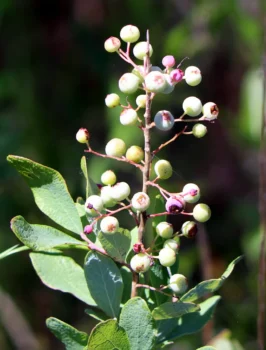
Confederate Huckleberry: A Charming Native Shrub for Southern Gardens
If you’re looking for a low-maintenance native shrub that offers year-round interest and supports local wildlife, the Confederate huckleberry (Gaylussacia nana) might just be your new garden favorite. This delightful southeastern native brings subtle beauty and ecological benefits to landscapes across Alabama, Florida, and Georgia.
What is Confederate Huckleberry?
Confederate huckleberry is a perennial shrub that typically grows as a multi-stemmed woody plant, usually staying under 13-16 feet in height. This compact size makes it perfect for smaller gardens or as an understory plant in larger landscapes. Like other members of the huckleberry family, it’s built to thrive in the unique conditions of the southeastern United States.
Where Does It Grow Naturally?
This native gem calls the southeastern United States home, naturally occurring in Alabama, Florida, and Georgia. It’s perfectly adapted to the climate and soil conditions of this region, making it an excellent choice for gardeners wanting to work with nature rather than against it.
- Species observed
- No observations
Why Plant Confederate Huckleberry?
There are several compelling reasons to consider adding this native shrub to your landscape:
- Native plant benefits: As a true southeastern native, it supports local ecosystems and requires less water and maintenance than non-native alternatives
- Pollinator support: The small, bell-shaped white to pinkish flowers that appear in spring are a valuable nectar source for bees and other pollinators
- Wildlife value: The dark berries that follow the flowers provide food for birds and other wildlife
- Seasonal interest: Enjoy spring blooms, summer berries, and attractive fall foliage color
- Low maintenance: Once established, it’s quite drought tolerant and requires minimal care
Perfect Garden Settings
Confederate huckleberry shines in several garden styles:
- Woodland gardens where it can serve as a natural understory shrub
- Native plant landscapes that celebrate regional flora
- Wildlife gardens designed to support local fauna
- Naturalized areas where you want a wild look with minimal maintenance
Growing Conditions and Care
One of the best things about Confederate huckleberry is how easy it is to grow when planted in the right conditions:
Soil: Prefers acidic, well-draining sandy soils – typical of its native southeastern habitat
Light: Adaptable to partial shade or full sun conditions
Water: Drought tolerant once established, though regular watering helps during the first growing season
Climate: Thrives in USDA hardiness zones 7-9, making it perfect for most of the Southeast
Planting and Care Tips
Getting your Confederate huckleberry off to a good start is straightforward:
- Plant in fall or spring for best establishment
- Dig a hole twice as wide as the root ball but no deeper
- Apply a 2-3 inch layer of organic mulch around the base, keeping it away from the stem
- Water regularly the first year, then rely on natural rainfall
- Minimal pruning needed – just remove dead or damaged branches
- No fertilizer typically required in native soils
Special Considerations
Confederate huckleberry has interesting wetland preferences depending on your location. In coastal plain areas, it strongly prefers upland sites and almost never occurs in wetlands. However, in mountain and piedmont regions, it’s more flexible and can occasionally tolerate wetter conditions while still preferring well-drained sites.
Is Confederate Huckleberry Right for Your Garden?
If you garden in Alabama, Florida, or Georgia and want to support native wildlife while enjoying a beautiful, low-maintenance shrub, Confederate huckleberry is definitely worth considering. It’s particularly perfect if you’re creating a woodland garden, establishing a wildlife habitat, or simply want to reduce your landscape’s environmental impact by choosing native plants.
The combination of spring flowers, summer berries, fall color, and year-round structure makes this native huckleberry a four-season performer that gives back to the environment while beautifying your space. Plus, once it’s established, you can pretty much sit back and enjoy the show – no fussing required!