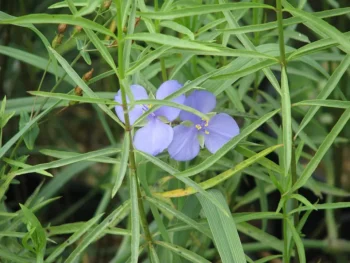
Confederate Spiderwort: A Rare Native Gem for Wet Gardens
If you’re looking for a charming native wildflower that thrives in those tricky wet spots in your garden, confederate spiderwort might just be your new best friend. This delightful little perennial brings subtle beauty to moisture-loving landscapes while supporting local ecosystems.
Meet the Confederate Spiderwort
Confederate spiderwort (Tradescantia paludosa) is a native herbaceous perennial that calls the southeastern United States home. You might also find it listed under its scientific synonym, Tradescantia ohiensis var. paludosa, but don’t let the fancy names intimidate you – this is one down-to-earth plant that’s surprisingly easy to please.
Where Does It Naturally Grow?
This southeastern beauty has quite a specific neighborhood preference. You’ll find confederate spiderwort growing naturally across Alabama, Arkansas, Florida, Louisiana, Mississippi, and Texas. It’s perfectly adapted to the humid, warm conditions of the southeastern coastal plains and wetland areas.
- Species observed
- No observations
A Word About Rarity
Here’s something important to know: confederate spiderwort is considered rare in Arkansas, where it holds an S1S2 conservation status. This means it’s quite uncommon in the wild there. If you’re planning to add this beauty to your garden, please make sure you source it from reputable native plant nurseries that propagate their own stock rather than collecting from wild populations.
What Makes It Special?
Confederate spiderwort may not be the showiest plant in your garden, but it has its own quiet charm. The plant produces small, three-petaled flowers that typically bloom in lovely shades of blue to purple. These delicate blooms sit atop grass-like foliage that forms neat clumps, creating a naturalized look that’s perfect for informal gardens.
As a member of the spiderwort family, this perennial forb lacks woody stems, instead growing as a soft-stemmed herbaceous plant that dies back in winter and returns each spring.
Perfect Spots for Confederate Spiderwort
This plant is practically begging to be planted in your garden’s wettest areas. Here are some ideal locations:
- Rain gardens and bioswales
- Pond or stream margins
- Native plant gardens with consistent moisture
- Naturalized wetland areas
- Low-lying areas that stay consistently moist
Growing Conditions and Care
Confederate spiderwort is refreshingly low-maintenance once you get it established in the right spot. Here’s what it needs to thrive:
Light Requirements: This adaptable plant handles everything from full sun to partial shade, though it seems happiest with some afternoon shade in hotter climates.
Soil and Water: The key to success is moisture, moisture, moisture. Confederate spiderwort loves consistently moist to wet soils and won’t complain about occasional flooding. It’s naturally adapted to wetland conditions, so don’t worry about overwatering.
Climate: Hardy in USDA zones 6-9, this plant handles the heat and humidity of southeastern summers like a champ.
Planting and Care Tips
- Plant in spring after the last frost for best establishment
- Space plants about 12-18 inches apart to allow for natural spreading
- Mulch lightly to retain moisture and suppress weeds
- The plant spreads by underground rhizomes, so give it room to naturalize
- Little to no fertilizer needed – it’s adapted to lean wetland soils
- Deadhead spent flowers if you want to prevent self-seeding
Benefits for Wildlife
While confederate spiderwort might look unassuming, it’s actually quite the pollinator magnet. Small native bees and flies are particularly fond of visiting the flowers. The plant also provides habitat and shelter for various small creatures in wetland ecosystems.
Should You Plant It?
If you have a wet garden spot that needs a native touch, confederate spiderwort could be an excellent choice. Just remember to source it responsibly from reputable nurseries that grow their own plants rather than wild-collecting. This helps protect wild populations while still allowing you to enjoy this lovely native in your own landscape.
For gardeners in drier climates or those looking for alternatives, consider other native spiderworts like Ohio spiderwort (Tradescantia ohiensis) or common spiderwort (Tradescantia occidentalis), which might be better suited to your specific conditions.
Confederate spiderwort proves that sometimes the most rewarding garden plants are the quiet ones – those that settle in peacefully, support local wildlife, and bring a touch of authentic regional character to your outdoor space.