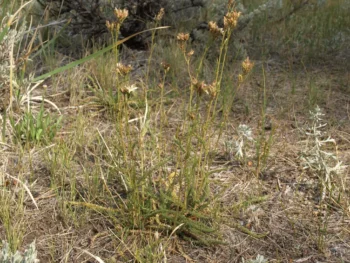
Congdon’s False Horkelia: A Rare California Native Worth Knowing
If you’re passionate about native California plants, you’ve probably stumbled across some pretty obscure species in your research. Meet Congdon’s false horkelia (Horkeliella congdonis) – a perennial wildflower that’s so specialized, it might just be the botanical equivalent of a hidden gem tucked away in California’s diverse landscape.
What Is Congdon’s False Horkelia?
Congdon’s false horkelia is a native California perennial that belongs to the rose family (Rosaceae). As a forb – essentially a non-woody flowering plant – it produces delicate blooms and maintains its root system year after year. Don’t let the false in its name fool you; there’s nothing fake about this plant’s authentic California heritage.
This species has gone through quite a few name changes over the years, previously known as Horkelia purpurascens subspecies congdonis and Ivesia purpurascens subspecies congdonis. Botanists do love their reclassifications!
Where Does It Call Home?
Congdon’s false horkelia is found exclusively in California, making it a true Golden State endemic. This limited geographic distribution immediately tells us we’re dealing with a plant that has very specific habitat requirements and likely a restricted range within the state.
- Species observed
- No observations
Should You Grow Congdon’s False Horkelia?
Here’s where things get interesting – and a bit challenging. While Congdon’s false horkelia is undoubtedly a legitimate native California species, information about its cultivation is remarkably scarce. This suggests a few possibilities:
- The plant may be quite rare in the wild
- It might have very specific growing requirements that make cultivation difficult
- It simply hasn’t caught the attention of the native plant nursery trade
The Mystery of Growing Conditions
Unfortunately, specific growing conditions for Congdon’s false horkelia aren’t well-documented in horticultural literature. Based on its membership in the rose family and its California native status, we can make some educated guesses:
- Likely prefers well-draining soils
- Probably adapted to Mediterranean climate conditions
- May require specific soil chemistry or elevation ranges
- Possibly suited for USDA hardiness zones 8-10
A Word of Caution
Given the limited information available about this species, it’s possible that Congdon’s false horkelia is rare or has a very restricted range. If you do encounter this plant or find a source for it, make absolutely certain that any plant material has been responsibly sourced and not collected from wild populations.
Alternatives for Your Native Garden
If you’re drawn to the idea of growing plants in the Horkelia/Ivesia group, consider looking into other California natives in the rose family that are more readily available:
- Beach strawberry (Fragaria chiloensis)
- California rose (Rosa californica)
- Various Potentilla species native to California
The Bottom Line
Congdon’s false horkelia represents the fascinating diversity of California’s native flora, even if it remains somewhat mysterious to home gardeners. While we can’t provide a detailed growing guide due to limited cultivation information, its existence reminds us of the incredible botanical treasures that call California home.
If you’re a native plant enthusiast, keep this species on your radar – who knows? As interest in rare California natives grows, we might see more information and availability in the future. Until then, there are plenty of other wonderful California natives to explore in your garden!