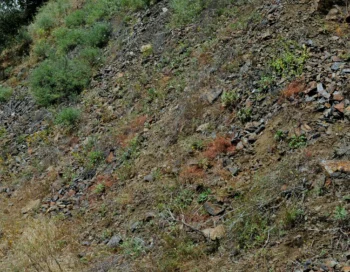
Congdon’s Woolly Sunflower: A Rare California Gem Worth Protecting
Meet Congdon’s woolly sunflower (Eriophyllum congdonii), a charming little wildflower that’s as rare as it is beautiful. This delightful California native brings sunshine to gardens with its bright yellow, daisy-like blooms and distinctive silvery-woolly foliage that seems to shimmer in the light.
A California Exclusive
Congdon’s woolly sunflower is a true California endemic, found only in the Golden State’s diverse landscapes. This annual forb—basically a non-woody flowering plant—calls California home and nowhere else on Earth. Its limited distribution makes it a special addition to native plant collections, though one that requires careful consideration.
- Species observed
- No observations
Important Conservation Note
Before considering this plant for your garden, please know that Congdon’s woolly sunflower is imperiled. With a Global Conservation Status of S2, this species is extremely rare, with typically only 6 to 20 known occurrences and few remaining individuals in the wild. If you’re interested in growing this beautiful native, please ensure you source seeds or plants only from reputable native plant suppliers who practice responsible collection methods.
Garden Appeal and Design Role
Despite its rarity, Congdon’s woolly sunflower offers unique garden appeal that makes conservation efforts worthwhile. The plant produces cheerful yellow flowers that contrast beautifully with its woolly, silver-gray foliage. As an annual, it provides seasonal interest and works wonderfully in:
- Native California plant gardens
- Rock gardens and xeriscapes
- Wildflower meadow plantings
- Containers for specialty native plant displays
Supporting Pollinators
Like many members of the sunflower family, Congdon’s woolly sunflower is a pollinator magnet. Its nectar-rich blooms attract native bees, butterflies, and other beneficial insects, making it a valuable addition to pollinator-friendly gardens. By growing this rare native, you’re not just adding beauty to your landscape—you’re providing crucial habitat for California’s native pollinators.
Growing Conditions and Care
Congdon’s woolly sunflower thrives in conditions that mirror its native habitat. Here’s what this special plant needs to flourish:
- Sunlight: Full sun exposure
- Soil: Well-draining, rocky or sandy soils preferred
- Water: Drought-tolerant once established; avoid overwatering
- Climate: Suitable for USDA hardiness zones 8-10
Planting and Care Tips
Growing this rare beauty requires a gentle touch and respect for its natural growing patterns:
- Direct sow seeds in fall for best germination
- Provide excellent drainage to prevent root rot
- Water sparingly once established—this plant prefers dry conditions
- Allow seeds to set naturally to encourage self-seeding
- Avoid fertilizing, as rich soils can be detrimental
A Conservation-Minded Choice
Choosing to grow Congdon’s woolly sunflower is more than just a gardening decision—it’s a conservation action. By cultivating this rare species in your garden, you’re helping preserve California’s botanical heritage and providing a refuge for a plant that faces challenges in the wild.
Remember, the key to responsible cultivation is sourcing your plants or seeds ethically. Work with native plant societies, botanical gardens, or specialized native plant nurseries that prioritize conservation. Together, we can ensure that future generations will be able to enjoy the simple beauty of Congdon’s woolly sunflower both in gardens and in its natural habitat.
Sometimes the rarest flowers make the most meaningful additions to our gardens—not just for their beauty, but for the conservation story they help us tell.