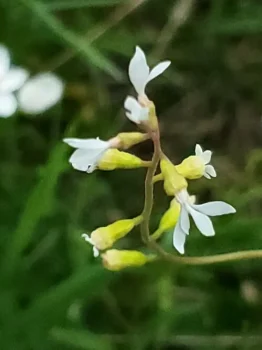
Conimitella: A Mysterious Native Forb of the Mountain West
If you’ve stumbled across the name conimitella in your native plant research, you’ve discovered one of North America’s more enigmatic botanical residents. This perennial forb represents a fascinating example of how much we still have to learn about our native flora, particularly in the remote mountain regions of western North America.
What Is Conimitella?
Conimitella is a genus of native perennial forbs—essentially herbaceous flowering plants without woody stems. As a forb, conimitella lacks the significant woody tissue that characterizes shrubs and trees, instead maintaining softer, more flexible stems that die back seasonally while the root system persists year after year.
This plant belongs to the diverse group of native wildflowers that call the mountain regions of western North America home, contributing to the rich tapestry of high-elevation and northern ecosystems.
Where Does Conimitella Grow?
Conimitella has a distinctly northern and mountainous distribution, naturally occurring across both Canada and the lower 48 states. Specifically, you can find this native plant in Alberta, Colorado, Idaho, Montana, and Wyoming—a range that suggests it’s well-adapted to cooler climates and potentially higher elevations.
- Species observed
- No observations
This distribution pattern indicates that conimitella is likely suited to the challenging growing conditions typical of mountain and northern prairie environments, including temperature fluctuations, intense sunlight, and potentially harsh winters.
The Challenge with Conimitella
Here’s where things get interesting (and a bit frustrating for curious gardeners): detailed information about conimitella’s growing requirements, appearance, and garden performance is surprisingly scarce. This lack of readily available cultivation information suggests that conimitella may be:
- Uncommon in the wild
- Difficult to cultivate
- Simply understudied and under-documented
- Specialized for very specific growing conditions
Should You Try Growing Conimitella?
Given the limited information available about this plant’s specific needs and garden performance, most gardeners would be better served exploring other well-documented native options from the same regions. The mountain west offers an abundance of spectacular native perennials that are both beautiful and well-understood by gardeners and nursery professionals.
If you’re particularly drawn to supporting biodiversity in your mountain west garden, consider these better-documented regional natives instead:
- Native asters and goldenrods
- Wild bergamot (Monarda fistulosa)
- Purple prairie clover (Dalea purpurea)
- Various native penstemons
For the Truly Adventurous
If you’re a plant collector or restoration professional specifically interested in conimitella, your best bet is to connect with:
- Regional native plant societies
- University extension programs in the plant’s native range
- Specialized native plant nurseries
- Local botanists or naturalists
These resources may have access to seeds or plants, along with the specific growing knowledge that isn’t readily available in standard gardening references.
The Bigger Picture
Conimitella serves as a perfect reminder that our native flora is still full of mysteries waiting to be better understood. While we may not have all the answers about this particular plant, its existence enriches the biodiversity of mountain and northern ecosystems across western North America.
For most gardeners passionate about native plants, focusing on the many well-documented species from conimitella’s range will provide greater success and satisfaction while still supporting regional biodiversity and pollinators.