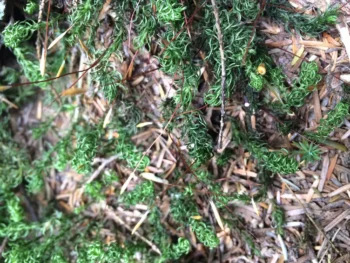
Contorted Pogonatum Moss: The Twisted Beauty You Never Knew You Needed
Ever wondered about those tiny, twisted green carpets you see covering forest floors and rocky outcrops? Meet contorted pogonatum moss (Pogonatum contortum), a fascinating native North American bryophyte that’s quietly doing important work in our ecosystems. While you might not be able to plant this moss in the traditional sense, understanding and appreciating it can transform how you view the micro-landscapes in your own backyard.
What Exactly Is Contorted Pogonatum Moss?
Contorted pogonatum moss is a terrestrial bryophyte—that’s the fancy term for the group that includes mosses, liverworts, and hornworts. This particular species is known for its distinctive twisted, contorted leaves that give it both its common name and its unique texture. Unlike the plants you’re used to gardening with, this moss doesn’t have true roots, stems, or leaves in the traditional sense, but rather specialized structures that perform similar functions.
You might also encounter this species under its scientific synonym, Pogonatum laterale Schimp., in older botanical references.
Where Does It Call Home?
This charming moss is native to North America, making it a true local resident in many regions across the continent. You’ll typically find it thriving in cooler, northern climates and mountainous areas where conditions stay consistently moist and temperatures remain moderate.
Spotting Contorted Pogonatum Moss in the Wild
Identifying this moss is all about looking for those characteristic twisted leaves. Here’s what to watch for:
- Small, upright growth habit forming dense patches
- Leaves that appear twisted or contorted, especially when dry
- Preference for attachment to rocks, fallen logs, or other solid surfaces rather than soil
- Deep green coloration that may appear slightly bronze in bright light
- Growth in shaded, moist environments
Is This Moss a Garden Friend?
Absolutely! While you can’t exactly head to the garden center and pick up a flat of contorted pogonatum moss, having it appear naturally in your landscape is actually a wonderful sign. Here’s why this little moss deserves your appreciation:
- Erosion control: Its dense growth helps stabilize soil and prevent erosion on slopes and rocky areas
- Moisture retention: Moss acts like a natural sponge, helping maintain consistent moisture levels in the soil
- Air purification: Like all mosses, it helps filter air and can indicate good air quality
- Habitat creation: Provides shelter for tiny invertebrates and creates microhabitats
- Visual appeal: Adds beautiful texture and creates that coveted enchanted forest look
Creating Moss-Friendly Conditions
Rather than trying to plant this moss, focus on creating conditions where it might naturally establish:
- Maintain moisture: Keep shaded areas consistently damp but not waterlogged
- Provide shade: Mosses prefer indirect light and protection from harsh sun
- Ensure good air circulation: Stagnant air can lead to problems
- Leave solid surfaces: Rocks, logs, and tree bases provide ideal attachment points
- Avoid chemicals: Skip fertilizers and pesticides in moss-friendly areas
The Bigger Picture
Contorted pogonatum moss might be small, but it plays an outsized role in healthy ecosystems. By learning to recognize and appreciate these tiny landscape architects, you’re developing a deeper understanding of the complex web of life that exists right in your own backyard. Plus, there’s something undeniably magical about discovering these miniature forests thriving in the shadows of your garden.
So next time you’re wandering through a shaded corner of your landscape, take a moment to look down. You might just spot the twisted, intricate beauty of contorted pogonatum moss quietly doing its important work—no planting required!