Contra Costa Manzanita: A Rare California Native Worth Protecting
Meet the Contra Costa manzanita (Arctostaphylos manzanita laevigata), a beautiful but uncommon native shrub that deserves a spot in your California garden—if you can find it responsibly sourced, that is. This charming member of the manzanita family brings all the classic appeal of its famous relatives while supporting local ecosystems in ways that non-native plants simply can’t match.
What Makes Contra Costa Manzanita Special?
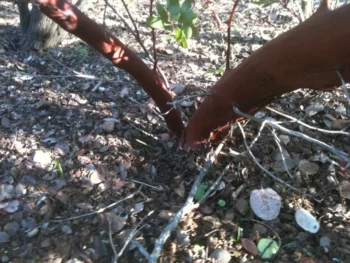
This perennial shrub is a true California original, native exclusively to the Golden State. As a multi-stemmed woody plant, it typically grows to a manageable size of less than 13-16 feet in height, making it perfect for residential landscapes. Like other manzanitas, it likely features the characteristic smooth, reddish bark and small, urn-shaped flowers that make this plant family so beloved by gardeners and wildlife alike.
Where Does It Come From?
The Contra Costa manzanita calls California home, with its native range appearing to be quite limited within the state. This narrow distribution is part of what makes this plant so special—and so important to conserve.
- Species observed
- No observations
A Word About Rarity
Here’s something important to know: this manzanita has a conservation status of S5T2, indicating it may be quite rare in its native habitat. If you’re considering adding this beauty to your garden, please ensure you’re purchasing from reputable native plant nurseries that propagate their plants responsibly rather than collecting from wild populations.
Why Grow Contra Costa Manzanita?
There are several compelling reasons to include this native shrub in your landscape:
- Supports local ecosystems and native wildlife
- Likely drought-tolerant once established, like other manzanitas
- Provides year-round structure and interest
- Requires minimal maintenance compared to non-native alternatives
- Helps preserve California’s natural heritage
Garden Design and Landscape Use
Contra Costa manzanita works beautifully in Mediterranean-style gardens, drought-tolerant landscapes, and native plant gardens. Its shrub form makes it excellent for creating natural screens, anchoring mixed borders, or serving as a specimen plant. The multi-stemmed growth habit provides good structure while maintaining a naturalistic appearance.
Growing Conditions and Care
While specific growing requirements for this particular manzanita are not well-documented, it likely shares the preferences of its manzanita relatives:
- Well-draining soil is essential—soggy conditions are a manzanita’s worst enemy
- Full sun exposure for best growth and flowering
- Minimal summer water once established
- USDA hardiness zones likely 8-10, suitable for most California gardens
Planting and Care Tips
When planting your Contra Costa manzanita:
- Choose a sunny location with excellent drainage
- Dig a hole only as deep as the root ball but twice as wide
- Water regularly the first year to establish roots, then reduce watering
- Avoid fertilizing—manzanitas prefer lean soils
- Prune lightly if needed, but avoid heavy pruning which can stress the plant
Supporting Wildlife
Native manzanitas are typically excellent for supporting local wildlife, likely providing nectar for native bees and other pollinators when in bloom, and potentially offering berries for birds and small mammals later in the season.
The Bottom Line
Contra Costa manzanita represents the best of California native gardening—beautiful, low-maintenance, and ecologically valuable. However, its apparent rarity means we need to be thoughtful gardeners. If you can source this plant responsibly, you’ll be rewarded with a unique addition to your garden that connects you to California’s natural heritage while supporting local wildlife. Just remember: always buy from reputable native plant nurseries that grow their plants from seed or cuttings rather than wild collection.
By choosing natives like Contra Costa manzanita, you’re not just creating a beautiful garden—you’re participating in conservation efforts that help preserve California’s incredible plant diversity for future generations.